
Betting 101 · Red Meat & Cigar Club editorial
Implied Probability
What the price says about the chances.
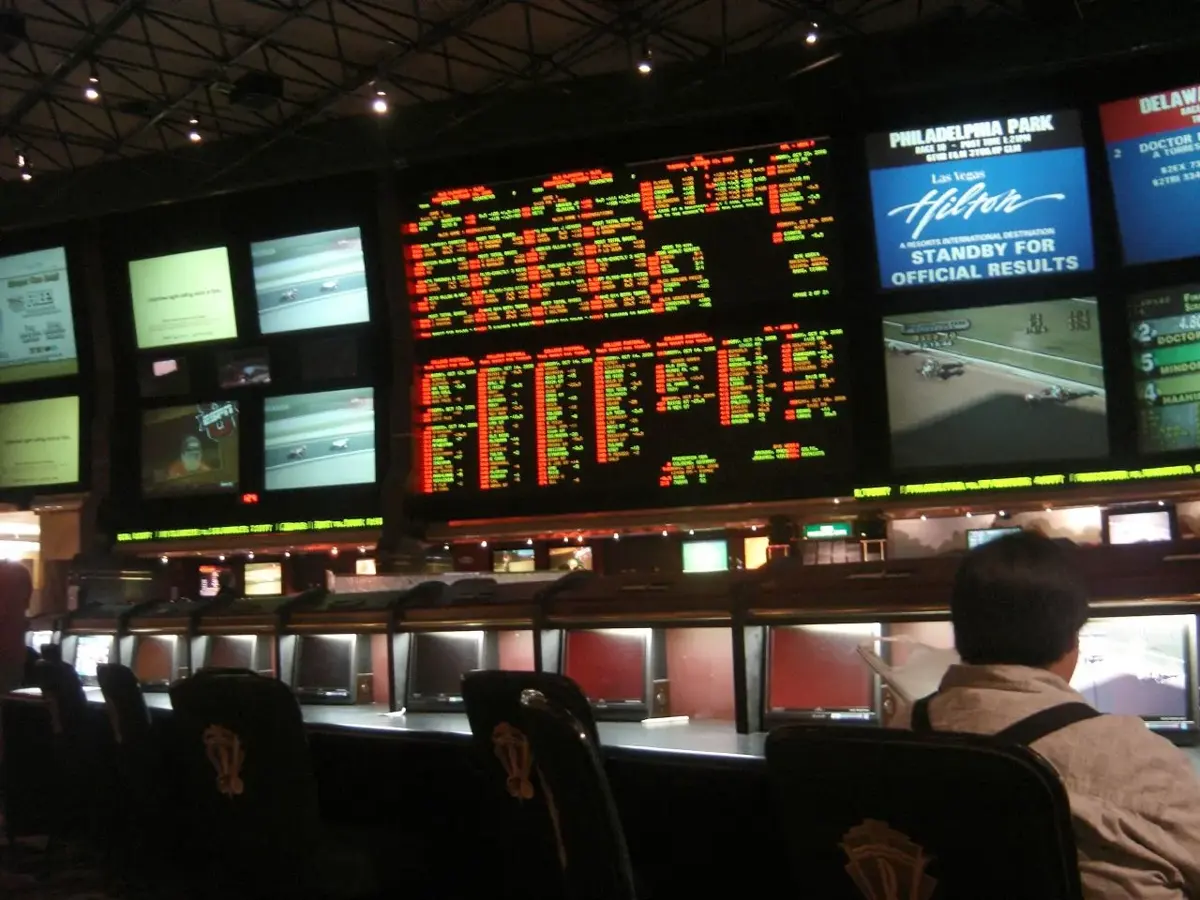
Example numbers — made up for illustration, not real lines
Every betting price is also a probability in disguise. Implied probability is the win rate at which a bet breaks even at a given price. It's the single most useful concept for understanding what odds actually say — and why the house wins over time.
The formulas
- Minus American odds: |odds| ÷ (|odds| + 100). Example: -150 → 150 ÷ 250 = 60%.
- Plus American odds: 100 ÷ (odds + 100). Example: +130 → 100 ÷ 230 ≈ 43.5%.
- Decimal odds: 1 ÷ decimal. Example: 2.50 → 40%.
- Fractional odds a/b: b ÷ (a + b). Example: 3/1 → 1 ÷ 4 = 25%.
What it means
If you bet at -150 many times on outcomes that truly win 60% of the time, you'd roughly break even. Win more often than 60% and you'd profit; less and you'd lose. Implied probability converts a price into a hurdle you'd need to clear.
Why both sides add up to more than 100%
Example: Team A -150 (60.0%) and Team B +130 (43.5%). Together that's 103.5%. In a fair coin-flip world, the two sides would add to exactly 100%. The extra 3.5% is the sportsbook's margin, sometimes called the "overround." On a standard -110 / -110 market, each side implies 52.38%, for a total of about 104.8%.
Removing the margin ("no-vig" probability)
To estimate what the book thinks the fair chances are, divide each side's implied probability by the total. Example: 60.0 ÷ 103.5 ≈ 58.0% for Team A, and 43.5 ÷ 103.5 ≈ 42.0% for Team B. This is a rough approach; books don't always spread their margin evenly, especially between favorites and long shots.
Implied probability vs. real probability
Implied probability is the book's price, not the true chance. Nobody knows the true chance of a single game. Prices reflect models, information, and money that's been bet. A bettor only has an edge if their own estimate is consistently more accurate than the market's — and the evidence is that most people's aren't.
Using it as a fan
- Translate the hype. "Heavy favorite" sounds certain; -250 implies about 71%, which means it loses roughly 3 times in 10.
- Understand long shots. +1000 implies about 9.1%. Long shots are long for a reason, and futures markets often carry wider margins.
- Spot the margin. Add both sides. The bigger the total over 100%, the more you're paying the house.
- Check parlays. Multiply leg probabilities together and you'll see why parlays rarely hit. See parlays.
Quick reference
| American | Implied probability |
|---|---|
| -300 | 75.0% |
| -200 | 66.7% |
| -150 | 60.0% |
| -110 | 52.4% |
| +100 | 50.0% |
| +150 | 40.0% |
| +200 | 33.3% |
| +500 | 16.7% |
Once you start seeing odds as probabilities, betting coverage makes a lot more sense — and it's easier to keep expectations realistic.
Worked example: a three-way soccer market
Example: Home +140 (41.7%), Draw +230 (30.3%), Away +210 (32.3%). Total: 104.3%. Removing the margin proportionally gives roughly 40.0% home, 29.1% draw, and 31.0% away. Three-way markets show clearly how the margin is spread across every outcome, and why the draw is often an overlooked part of soccer pricing.
Common mistakes
- Treating a favorite's implied probability as a certainty.
- Ignoring the margin when comparing your own estimate to the book's.
- Assuming that a bet that "should" win 60% of the time will win six of the next ten. Short-term results swing widely.