
Betting 101 · Red Meat & Cigar Club editorial
Line Shopping
Compare prices before you bet.
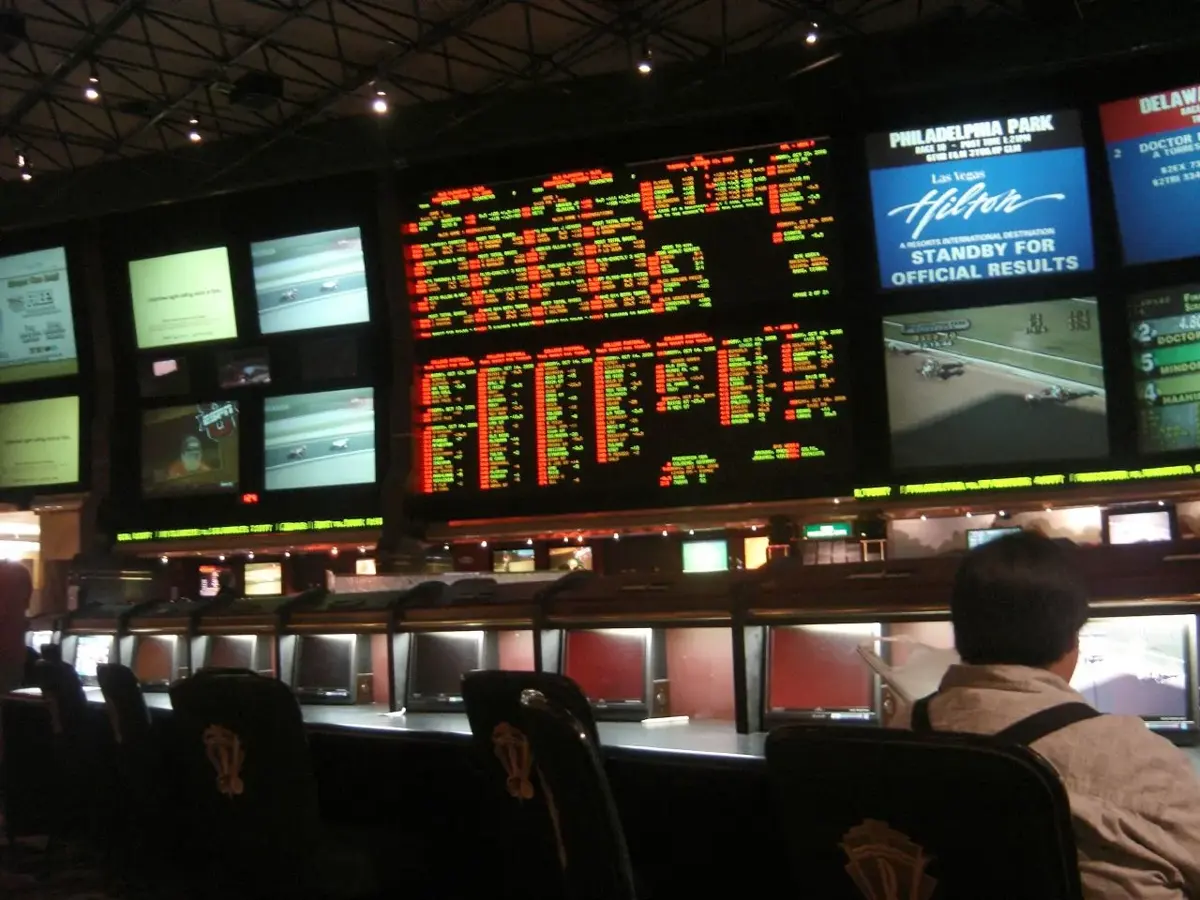
Example numbers — made up for illustration, not real lines
Line shopping means comparing the price of the same bet across multiple licensed sportsbooks before placing it. It's the betting equivalent of checking a few gas stations before filling up. It doesn't make anyone a winner, but it reduces what you pay the house on every bet.
Why lines differ
Each sportsbook sets its own prices. They use different models, see different customer action, and manage their risk differently. As a result, the same game can have slightly different spreads, totals, or prices at different books at the same moment.
Example
- Book A: Home -3 (-110)
- Book B: Home -2.5 (-115)
- Book C: Home -3 (-105)
If you like Home, Book B gives you the better number (-2.5 means a 3-point win covers), while Book C gives you the better price on -3. Which is better depends on how much you value the half-point — and in the NFL, half-points around 3 and 7 are valuable because so many games land on those margins.
How much it matters
Getting -105 instead of -110 lowers your break-even rate from about 52.4% to about 51.2%. A half-point on a key number can turn a loss into a push or a push into a win. Over a single bet, the difference is tiny. Over a season of bets, it adds up.
How to do it
- Only use sportsbooks licensed in your state. Your state regulator publishes the list.
- Compare the actual bet — spread, total, price — not the promotions.
- Check right before betting. Lines move constantly.
- Keep it manageable. Having accounts at a couple of licensed books is plenty for most recreational bettors.
Watch out for
- Offshore sites. Unlicensed offshore books may look like they have better prices, but they operate outside U.S. state regulation, and players have little protection if there's a dispute or a withdrawal problem.
- Too many accounts. Spreading money across many books can make it harder to track your total spending. Set deposit limits on each.
- Promo chasing. Signing up everywhere for bonuses tends to encourage more betting, not smarter betting.
The takeaway
Line shopping is a cost-control habit, not a winning system. If you're going to bet, it's a sensible way to avoid overpaying. Pair it with a bankroll plan and you've covered the two habits that matter most.
Worked example
Example: over a season, a bettor places 100 bets of $50 at -110 and could have placed the same bets at -105 at another licensed book. At a 50% win rate, the -110 bettor loses about $227; the -105 bettor loses about $119. Same picks, same results — the only difference is price. That's the entire case for line shopping in one example.
A note on limits and promotions
Different books may also offer different maximum bets, cash-out terms, and settlement rules. For most recreational bettors those details matter less than price, but read the house rules before using a new book. And remember: comparing prices is about paying less, not betting more.