
Cars · Red Meat & Cigar Club editorial
Storing a Car Through a Colorado Winter
Protect the toy until spring.
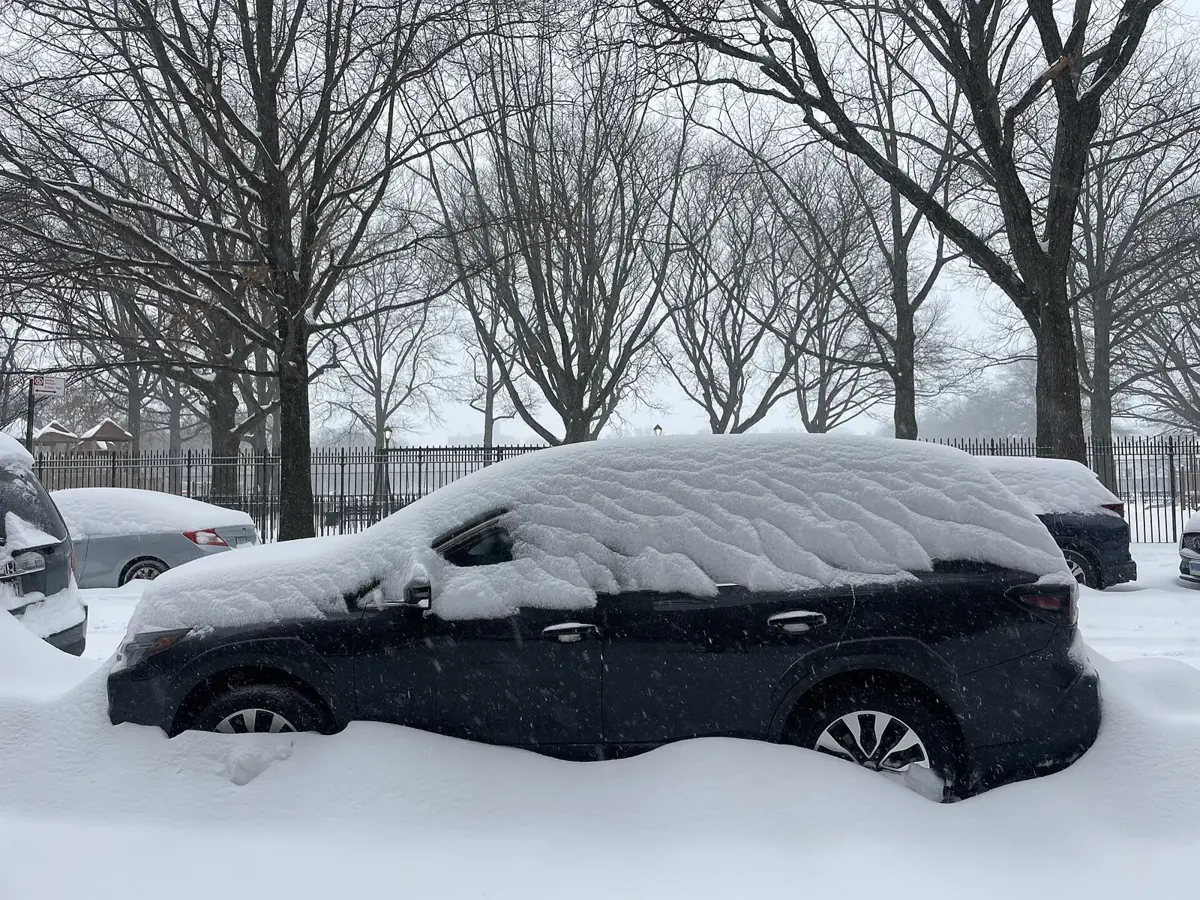
Colorado winters can be beautiful, but salt and magnesium chloride on the roads, freeze-thaw cycles, and months of sitting idle are hard on classic and performance cars. Storing a car properly over winter protects it so it fires up happily in spring.
Choose the space
A dry, enclosed garage is ideal. If you can, choose a space with stable temperatures and low humidity. Climate-controlled storage facilities exist in the Front Range for owners without garage space. Avoid storing a car on bare dirt or in damp outbuildings where moisture rises from the ground.
Clean it thoroughly
Wash the car, including the underside and wheel wells, to remove road grime and especially de-icing chemicals, which are corrosive. Let it dry completely. A coat of wax adds protection. Clean the interior so food crumbs don't attract rodents, and condition leather if needed.
Fuel
The two common approaches: fill the tank nearly full to reduce space for condensation, and add a fuel stabilizer. Run the engine for several minutes afterward to circulate stabilized fuel through the system. Ethanol-blended gasoline can absorb moisture and degrade over months; stabilizer helps. Some owners of carbureted cars prefer ethanol-free fuel for storage where available.
Oil and fluids
Change the oil and filter before storage. Used oil contains acids and contaminants that can harm engine internals over months of sitting. Top off coolant (with antifreeze rated for Colorado's low temperatures), brake fluid, and other fluids.
Battery
A battery that sits will slowly discharge, and a discharged battery can freeze and be damaged in cold temperatures. Connect a quality battery maintainer (a smart trickle charger), or disconnect and remove the battery and store it somewhere cool and dry on a maintainer.
Tires
Inflate tires to the recommended pressure, or slightly above if the manufacturer allows, to reduce flat-spotting. For long storage, some owners use tire cradles or jack stands to take weight off the tires — supporting the car by its suspension points per the manufacturer's guidance. Leaving the parking brake engaged for months can cause the pads or shoes to stick; use wheel chocks instead.
Keep out pests
Mice love stored cars. They nest in air boxes and chew wiring. Common defenses: block the exhaust tip and air intake with steel wool (and leave a bright reminder note on the steering wheel to remove it), use traps around the car, and keep the garage clean. Many owners swear by peppermint oil or dryer sheets, though their effectiveness is debated; traps are more reliable.
Cover
Use a breathable, soft car cover designed for indoor use. Plastic tarps trap moisture against the paint and can cause damage.
Insurance and registration
Ask your insurer about storage coverage — dropping collision coverage while keeping comprehensive (for theft, fire, and damage) may lower costs. Don't drop coverage entirely. Check your registration status if the car will be off the road for a long time.
Should you start it periodically?
Starting a stored car for a few minutes can do more harm than good: the engine doesn't reach full temperature, so moisture condenses in the exhaust and crankcase. If you start it, drive it long enough to fully warm up — or leave it until spring.
Spring wake-up
- Remove steel wool and pest barriers.
- Check for nests, leaks, and chewed wires.
- Reconnect or check the battery.
- Check tire pressures and inspect tires.
- Check fluid levels and brakes.
- Start it and let it idle until warm, watching gauges.
- Take a gentle first drive, testing brakes early.
Garage gear (placeholder)
Placeholder — not live affiliate links
- [Battery maintainer — placeholder]
- [Detailing kit — placeholder]
- [Classic car insurance quote — placeholder]
Affiliate disclosure: Red Meat & Cigar Club may earn a commission from some links on this site at no extra cost to you. Learn more.