
Cigars · Red Meat & Cigar Club editorial
How to Cut and Light a Cigar
The basics without the snobbery.
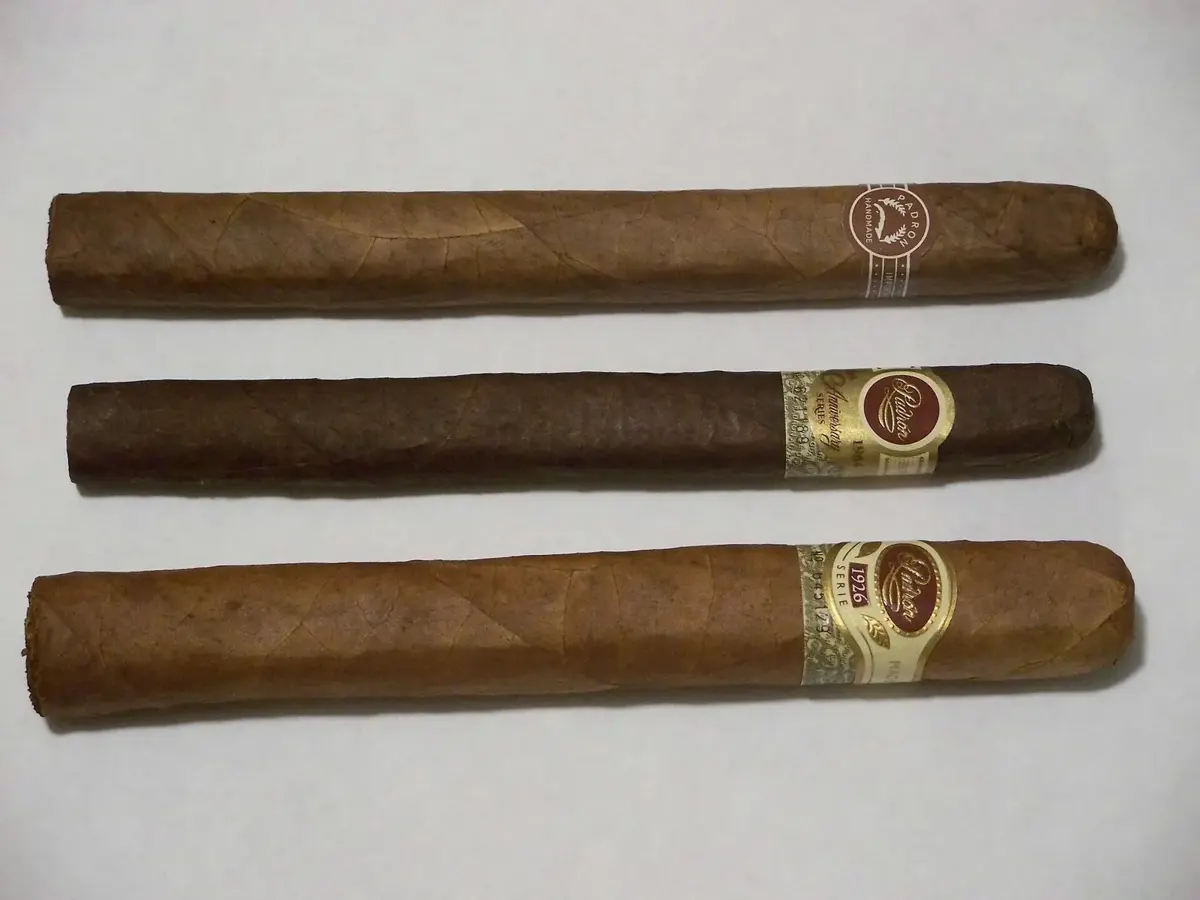
Cutting and lighting a cigar isn't complicated, but doing it well makes a real difference to how the cigar draws, burns, and tastes. Here's the process without snobbery.
Anatomy first
A premium cigar has three parts: the head (the closed end you put in your mouth, sealed by a small piece of leaf called the cap), the body, and the foot (the open end you light). Inside, the cigar is made of filler leaves bound by a binder leaf and rolled in a wrapper leaf. The cap holds the wrapper together, so you want to cut through it without cutting past it.
Cutting
The goal is to open the head enough for a smooth draw without unraveling the wrapper.
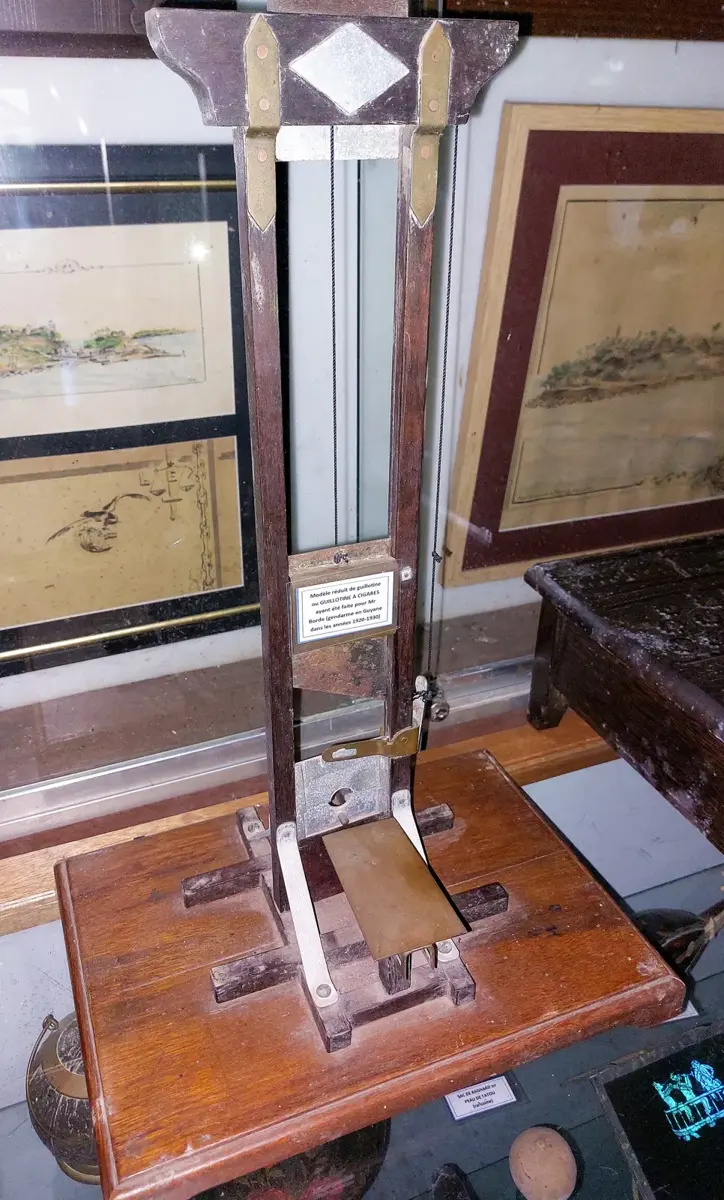
- Straight cut (guillotine): the most common. Cut just above the "shoulder," where the round head meets the straight body — usually a couple of millimeters. Single- and double-blade cutters work; double blades cut more cleanly. Cut quickly and decisively.
- Punch cut: a small circular hole in the cap. Great for keeping loose bits of tobacco out of your mouth; less ideal for thin cigars or pointed heads.
- V-cut: a wedge-shaped notch that opens a larger surface area than a punch. Works well for larger ring gauges.
Pointed cigars (torpedoes, belicosos, perfectos) can be cut with a guillotine a little at a time until the draw opens up. Start small; you can always cut more, but you can't uncut.
Test the draw before lighting by drawing air through the unlit cigar. It should feel like drinking through a straw — some resistance, but not a struggle.
Choosing a flame
Use a butane lighter (soft flame or torch), wooden matches, or cedar strips (spills). Avoid gasoline lighters, which can leave a taste, and paper matches with chemical heads. With wooden matches, let the sulfur burn off before bringing the flame near the cigar. Torch lighters are popular outdoors, where wind is a factor, but they're easy to overdo and can char the wrapper.
Lighting
- Toast the foot. Hold the cigar at about a 45-degree angle and bring the foot near the flame, not in it. Rotate slowly so the whole surface of the foot begins to glow. This gently heats the tobacco and gets the burn started evenly.
- Light. Place the cigar in your mouth and draw gently while rotating the foot just above the flame. You'll see the ember catch across the foot.
- Check the ember. Look at the foot or gently blow on it. You want an even ring of glowing tobacco. Touch up any dark spots.
Smoking pace
Take a puff about once a minute. Drawing too often makes the cigar hot and bitter; too seldom and it goes out. Cigar smoke is traditionally not inhaled into the lungs — it's tasted in the mouth. Some smokers "retrohale," passing a little smoke out through the nose to pick up more aroma.
Burn issues
- Uneven burn ("canoeing"): a light touch-up on the lagging side, or rotating the cigar so the slow side faces down, usually helps.
- Going out: it happens. Tap off loose ash, blow through the cigar to clear stale smoke, and re-toast and relight.
- Ash: let it build and drop naturally; a firm, long ash is a sign of good construction, but don't let it fall on your shirt.
Finishing
When you're done — often when the cigar gets hot or harsh near the band — set it in an ashtray and let it go out on its own. Don't stub it out like a cigarette; that releases a stale smell.
Etiquette
Ask before lighting in mixed company, smoke where it's allowed, and remove the band once the cigar has warmed if you like (it can tear the wrapper if removed too soon). Cigars are for adults 21+. We don't sell tobacco.
Cigar accessories & retailers (placeholder)
Placeholder — not live affiliate links
- [Licensed online cigar retailer — placeholder, age-verified, 21+]
- [Cutter & torch lighter — placeholder]
- [Humidor & humidity packs — placeholder]
Affiliate disclosure: Red Meat & Cigar Club may earn a commission from some links on this site at no extra cost to you. Learn more.