Cigars · Red Meat & Cigar Club editorial
Wrapper Shades Explained
Connecticut to maduro.
The wrapper is the outermost leaf of a cigar — the one you see, touch, and taste first. It makes up a small share of a cigar's tobacco by weight, but it has an outsized effect on appearance, aroma, and flavor. Here's what the common wrapper names and shades mean.
What a wrapper is
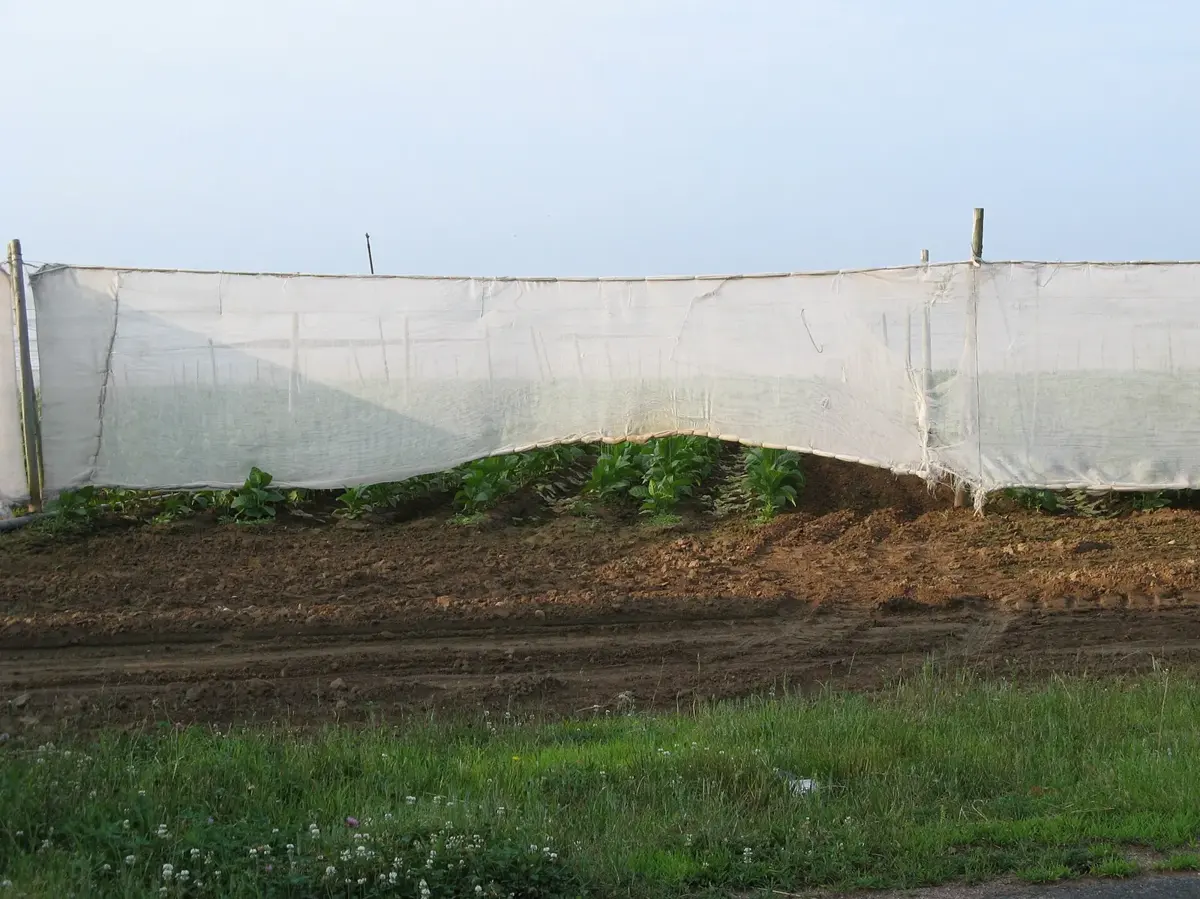
A premium cigar has three components: filler (the core blend), binder (a leaf that holds the filler together), and wrapper. Wrapper leaf must be thin, elastic, smooth, and visually appealing, and it's usually the most expensive tobacco in the cigar. Growers take great care with it, often growing it under cloth shade or selecting the best leaves from sun-grown plants.
Shades, light to dark
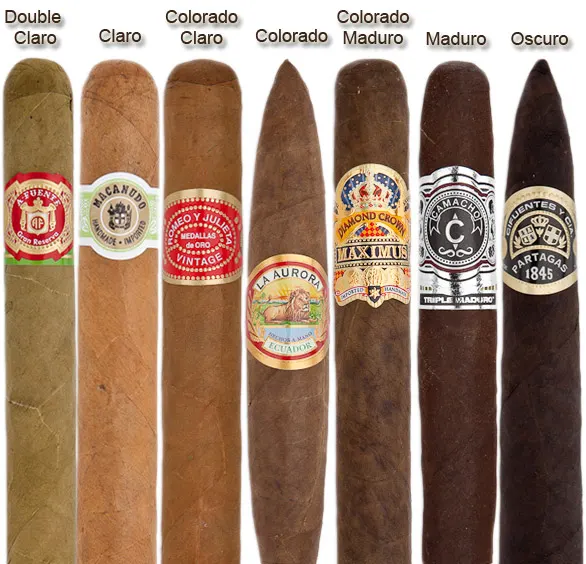
Traditional names for wrapper color run roughly from light to dark:
- Candela / double claro: green, picked early and cured quickly to keep chlorophyll. Grassy, mild. A niche style, popular in the U.S. in the mid-20th century.
- Claro: pale tan; mild and smooth.
- Colorado claro: light reddish brown.
- Colorado: reddish brown; often aromatic.
- Colorado maduro: darker brown.
- Maduro: dark brown, the product of longer fermentation; often richer and sweeter.
- Oscuro: nearly black; the darkest and often the most intense.
Color comes from the type of tobacco, how much sun it received, when it was picked, and especially how long and how hot it was fermented. A darker wrapper is not automatically stronger; strength comes mainly from the filler blend. Shade is a flavor guide, not a strength rating.
Common wrapper types
Connecticut Shade. Grown in the Connecticut River Valley under cheesecloth tents, which diffuse sunlight and produce thin, smooth, light-colored leaves. Shade-grown tobacco has been cultivated there since the early 1900s. Similar seed is also grown in Ecuador ("Ecuador Connecticut"), where natural cloud cover diffuses the sun. Typically creamy, mild, with notes of cedar and nuts.
Connecticut Broadleaf. A different plant, grown in full sun in the same region, with thick, veiny leaves well suited to long fermentation. It's one of the most widely used maduro wrappers.
Habano. Grown from Cuban-seed tobacco in places like Nicaragua and Ecuador. Often reddish brown, with spice and pepper.
Corojo. Originally a Cuban wrapper variety, now grown in Honduras, Nicaragua, and elsewhere. Known for spice.
Cameroon. From the Central African country, descended from Sumatra seed introduced in the colonial era. Thin and "toothy" (with small bumps of oil), known for a sweet, slightly spicy character. Arturo Fuente's Hemingway line is a famous example; see our entry.
Sumatra and Ecuador Sumatra. Sumatra-seed tobacco, now often grown in Ecuador. The Oliva Serie V Melanio uses an Ecuador Sumatra wrapper; see our entry.
San Andrés (Mexico). Grown in Mexico's San Andrés Valley, widely used as a dark maduro wrapper.
Sun-grown vs. shade-grown
Shade-grown leaves are thinner, smoother, and milder. Sun-grown leaves get thicker and oilier and usually develop more flavor and darker color. Padrón's 1964 Anniversary Series, for example, is offered in sun-grown natural and maduro versions.
How to use this
If you're new to cigars, a Connecticut shade wrapper is a gentle starting point. If you like coffee and chocolate notes, try a maduro. If you like spice, try a Habano. The best education is to try the same blend in different wrappers when a maker offers it. Cigars are for adults 21+. We don't sell tobacco.
Cigar accessories & retailers (placeholder)
Placeholder — not live affiliate links
- [Licensed online cigar retailer — placeholder, age-verified, 21+]
- [Cutter & torch lighter — placeholder]
- [Humidor & humidity packs — placeholder]
Affiliate disclosure: Red Meat & Cigar Club may earn a commission from some links on this site at no extra cost to you. Learn more.