
Guns: American Classics · Red Meat & Cigar Club editorial
Gun Safety & Safe Storage Fundamentals
The core rules, safes and locks, kids, and knowing your laws.
Every responsible gun owner starts in the same place: safety. The rules below are standard across firearms training in the United States, and they should become automatic. Safe storage at home is just as important, especially when there are children or visitors around.
The fundamental rules
Different organizations word them slightly differently, but the core rules are widely taught:
- Treat every firearm as if it is loaded. Even if you "know" it's unloaded, handle it as though it isn't.
- Always keep the muzzle pointed in a safe direction. Never let the muzzle cover anything you are not willing to destroy.
- Keep your finger off the trigger and outside the trigger guard until your sights are on the target and you have decided to shoot.
- Be sure of your target and what's beyond it. Bullets can travel a long way and pass through walls and other objects.
Other widely taught habits: unload firearms when not in use; never rely on a mechanical safety alone; use the correct ammunition; wear eye and ear protection; and never handle firearms after drinking alcohol or taking drugs that impair judgment. For a club that celebrates whiskey and cigars, that last rule bears repeating: guns and alcohol don't mix.
Safe storage at home
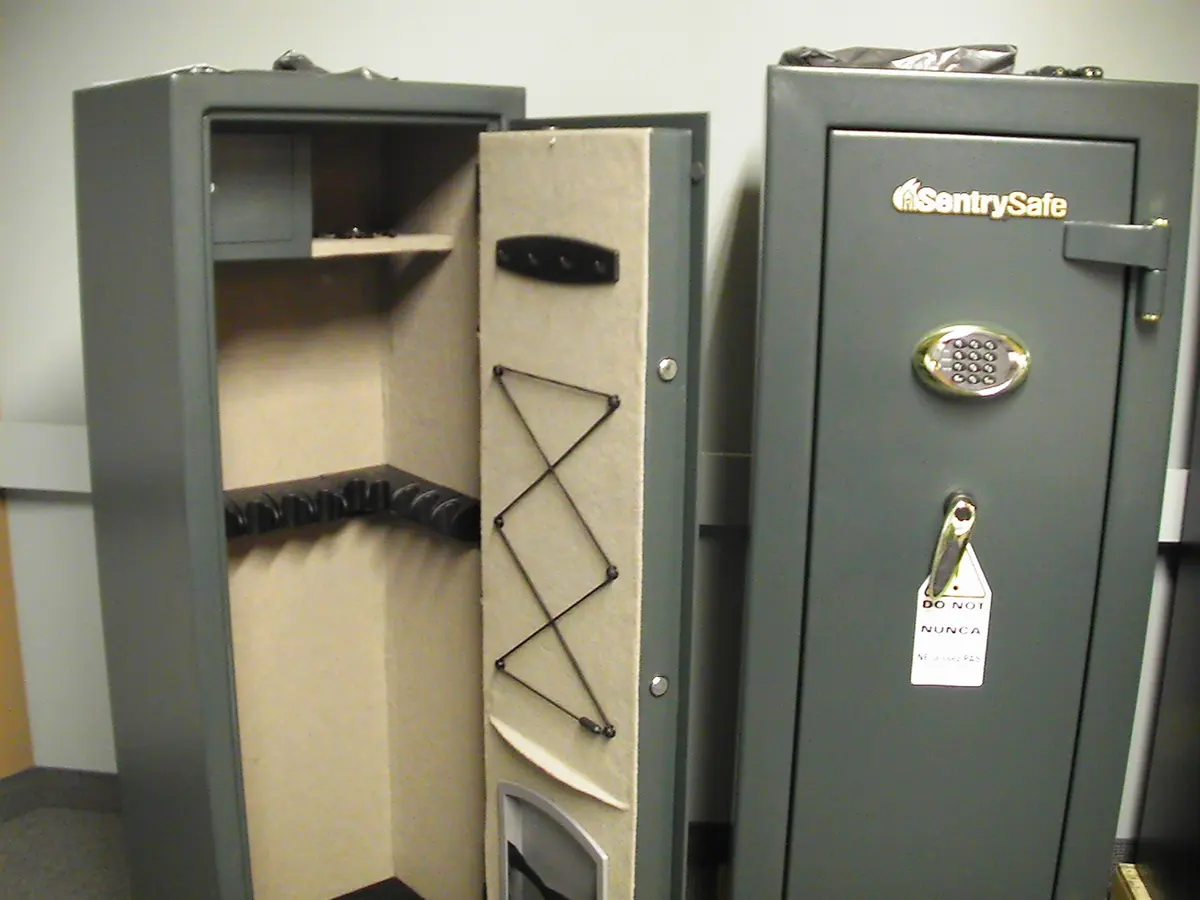
The point of safe storage is simple: a firearm should be accessible only to the people who are authorized and trained to use it. Common options include:
- Gun safes: heavy steel cabinets with combination, electronic or biometric locks. Many owners bolt them to the floor.
- Lockboxes: smaller locking cases for handguns.
- Cable locks and trigger locks: devices that block the action or trigger. The National Shooting Sports Foundation's Project ChildSafe program has distributed millions of free cable-style locks through law-enforcement partners.
- Separate ammunition storage: many safety programs recommend storing ammunition locked and separate from firearms.
Kids and visitors
Children are curious, and a gun that's "hidden" is not a gun that's secured. Talk to kids in age-appropriate ways. A widely used message for young children is the NRA's Eddie Eagle program's "Stop! Don't touch. Run away. Tell a grown-up." If your kids visit other homes, it's reasonable to ask whether there are firearms there and how they're stored.
Know your laws
Laws on storage, transport, carrying, purchasing and transferring firearms vary a lot between states and even cities. Some states have child-access-prevention laws that require specific storage. Some restrict how firearms may be carried in a vehicle. Federal law governs things like interstate transfers. Before you buy, travel with, sell or give away a firearm, check the current rules with your state's official sources or a qualified professional. Don't rely on a forum post.
Transport
When traveling to the range or a hunt, firearms are typically carried unloaded and cased, often locked, with ammunition stored separately, though the exact requirements depend on where you are. Air travel has its own federal rules for checked firearms. Check the TSA and your airline's current policy before you fly.
Teach it forward
The best safety culture is one where everyone at the range or in the house speaks up. If you see unsafe handling, say something. A good shooting buddy will thank you. A formal course — a basic pistol, rifle or shotgun class, or your state's hunter education course — is the best investment a new owner can make.
Affiliate disclosure: Red Meat & Cigar Club may earn a commission from some links on this site at no extra cost to you. Learn more.