
Fast Planes · Red Meat & Cigar Club editorial
Warbirds: Fighters That Still Fly
Where to see WWII legends in the air.
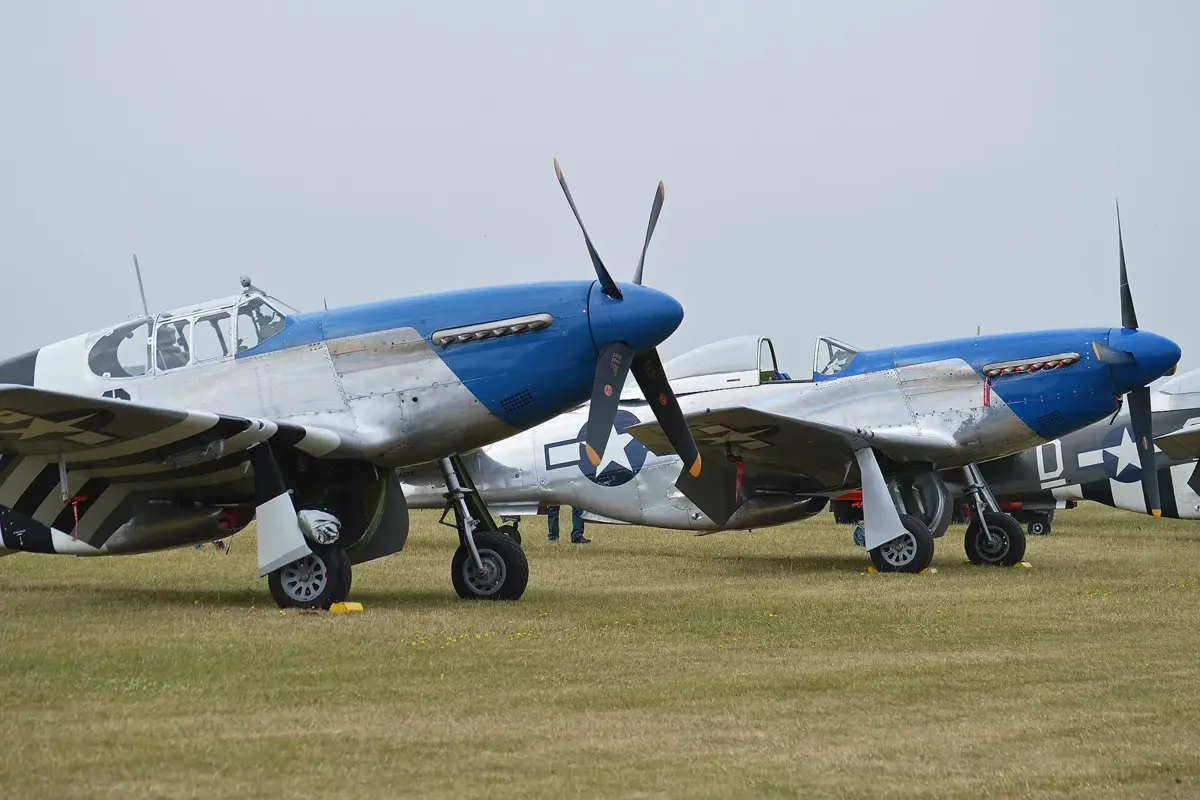
There's nothing like the sound of a Rolls-Royce Merlin engine overhead. Decades after World War II, hundreds of restored warbirds still fly, maintained by museums, foundations, and private owners. Seeing them in the air at an airshow is one of the great experiences for anyone who loves machines and history.
P-51 Mustang
The North American P-51 Mustang is the most famous American fighter of the war. Designed in 1940 for the British, it was transformed when fitted with the Rolls-Royce Merlin engine (built under license in the U.S. by Packard). The Merlin-powered P-51B, C, and D had the range to escort bombers deep into Germany and back, which changed the course of the air war over Europe. The P-51D, with its bubble canopy, is the classic version. The Tuskegee Airmen of the 332nd Fighter Group, famous for their red-painted tails, flew Mustangs. Many P-51s survive, and they remain popular at airshows and in air racing.
Supermarine Spitfire
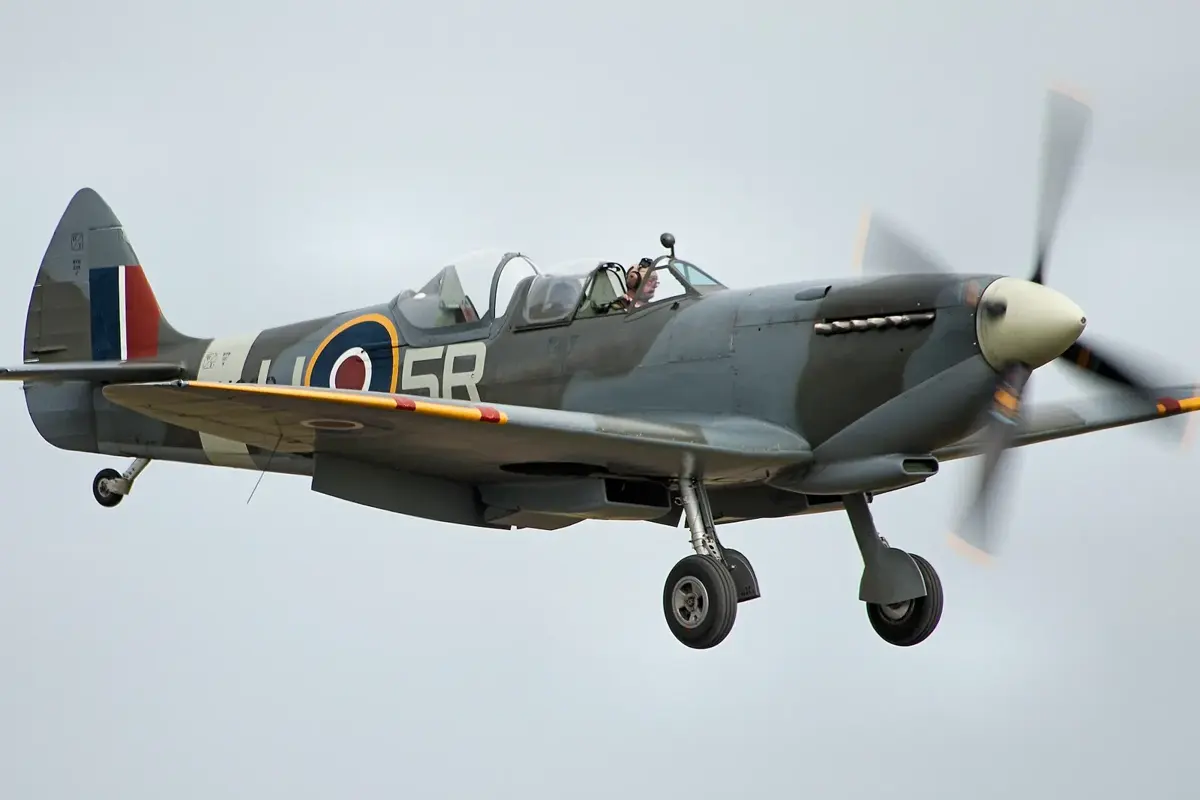
The Spitfire, designed by R.J. Mitchell, is Britain's iconic fighter, celebrated for its elliptical wings and its role in the 1940 Battle of Britain alongside the Hawker Hurricane. More than 20,000 were built in many variants. A significant number of airworthy Spitfires still fly, especially in Britain.
F4U Corsair
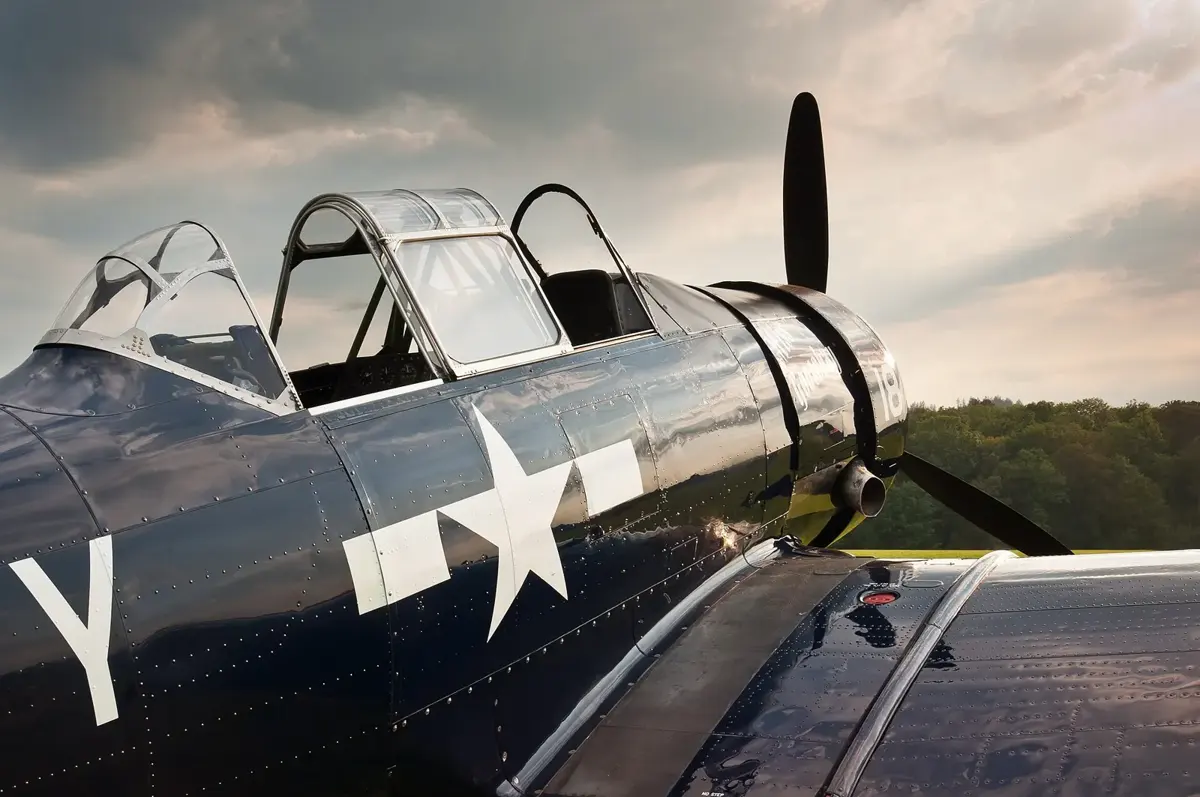
The Vought F4U Corsair, with its distinctive inverted gull wings (designed to give its huge propeller ground clearance while keeping landing gear short), was a powerful Navy and Marine Corps fighter in the Pacific. It remained in production into the early 1950s and served in Korea.
P-38 Lightning
Lockheed's twin-engine, twin-boom P-38 was one of the most distinctive aircraft of the war. America's top-scoring ace, Richard Bong, flew it in the Pacific. Only a handful remain airworthy.
Bombers
A few B-17 Flying Fortresses and B-25 Mitchells still fly, along with a small number of B-24s, and the Commemorative Air Force's B-29 "FIFI" is one of very few flying B-29s. Some tour the country, offering ground tours and, on certain aircraft, paid flights.
T-6 Texan: the trainer
The North American T-6 Texan (known as the Harvard in Commonwealth service) trained tens of thousands of pilots. Because it is relatively plentiful and has two seats, it's one of the most common ways members of the public can experience a warbird ride. Some organizations also offer rides in two-seat P-51s converted for dual control.
Where to see them
- EAA AirVenture Oshkosh in Wisconsin, held each summer, is the largest annual gathering of aircraft in the U.S., including a large warbird area.
- The Commemorative Air Force operates a large fleet of historic aircraft and units around the country, including a Rocky Mountain Wing in Colorado.
- Planes of Fame in Chino, California, holds an annual airshow.
- Military airshows often include the Air Force Heritage Flight, in which modern fighters fly in formation with WWII-era aircraft.
- Wings Over the Rockies Air and Space Museum in Colorado hosts events and maintains a strong aircraft collection.
Keeping them flying
Restoring and maintaining warbirds is expensive and specialized. Engines like the Merlin require expert overhaul, and many parts must be fabricated. Most flying warbirds are supported by donations, memberships, and ride programs. Supporting these organizations is the best way to keep these machines in the air.
Safety
Warbird operations are subject to FAA regulations, and organizations offering rides operate under specific FAA exemptions. Check an operator's credentials and track record before booking a flight.
Pilot gear (placeholder)
Placeholder — not live affiliate links
- [Aviation headset — placeholder]
- [Flight bag & kneeboard — placeholder]
- [Ground school course — placeholder]
Affiliate disclosure: Red Meat & Cigar Club may earn a commission from some links on this site at no extra cost to you. Learn more.