Spirits · Red Meat & Cigar Club editorial
A Short History of Bourbon
From frontier stills to a distinctive product of the United States.
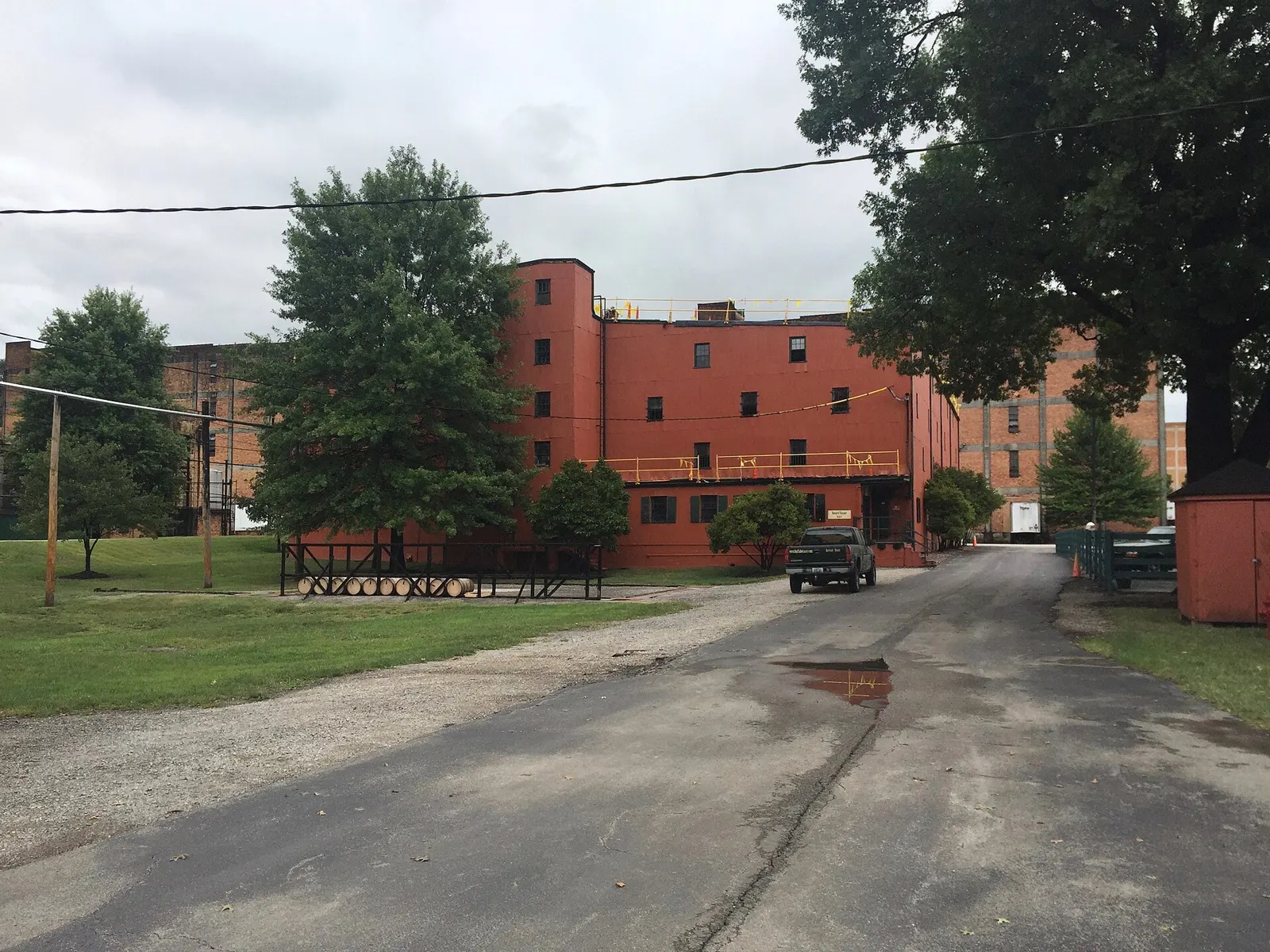
Bourbon is America's native spirit. In 1964 Congress formally recognized it as "a distinctive product of the United States." How it got there is a story of frontier farmers, river trade, reformers, and one long dry spell.
Corn country
Settlers crossing into Kentucky in the late 1700s grew corn, and corn was easier to move and keep as whiskey than as grain. After the federal excise tax that triggered the Whiskey Rebellion in western Pennsylvania (1791–1794), more distillers moved to the Ohio Valley frontier. Credit for "inventing" bourbon is often given to figures like the Baptist preacher Elijah Craig, but historians treat those stories as legend. Bourbon developed gradually across many farms.
Where the name came from
Nobody knows for sure. One theory points to Bourbon County in old Kentucky, part of a much larger territory then called "Old Bourbon," whose name went on the barrels shipped down the Ohio and Mississippi. Another points to New Orleans, where Bourbon Street and its drinkers may have popularized the name. Both are debated.
The charred barrel and sour mash
By the 19th century, aging in charred oak barrels had become standard, turning harsh white spirit into the reddish, caramel-sweet whiskey drinkers came to expect. In the 1830s, Dr. James C. Crow, working at the Oscar Pepper distillery in Woodford County (today's Woodford Reserve), helped popularize sour-mash methods and scientific consistency. Sour mash means carrying some spent mash into the next batch.
Bonds, fakes and Prohibition
Rectifiers who colored and flavored neutral spirit and sold it as "whiskey" were a real problem. The Bottled-in-Bond Act of 1897, pushed by distiller Col. E.H. Taylor Jr. and Treasury Secretary John G. Carlisle, created a government-backed guarantee of authenticity. Then came Prohibition (1920–1933). A handful of distilleries, including the one now called Buffalo Trace in Frankfort, held permits to sell whiskey for "medicinal" purposes. Many others never reopened.
Decline and revival
After lean decades when vodka and lighter spirits dominated, bourbon came back hard starting in the 1980s and 1990s. Single-barrel and small-batch bottlings (Blanton's in 1984 was the first commercially marketed single barrel) and the Kentucky Bourbon Trail tourism boom helped. Today, Kentucky distillers have more barrels aging than the state has people.
Affiliate disclosure: Red Meat & Cigar Club may earn a commission from some links on this site at no extra cost to you. Learn more.