Spirits · Red Meat & Cigar Club editorial
Rum: The Spirit of the Americas
Molasses, cane juice, Caribbean heat and the Royal Navy.
Rum was the first spirit of colonial America. New England distilled imported Caribbean molasses long before bourbon existed. Today it covers everything from crisp white mixers to aged sipping rums that can stand next to a fine cognac.
What it's made from
Most rum is distilled from molasses, a byproduct of sugar making. Rhum agricole, the French Caribbean style with an appellation in Martinique, is distilled from fresh sugarcane juice and tastes grassy and vegetal. Rules vary widely by country, so there's no single "rum law" like bourbon's.
Styles by tradition
- Spanish-heritage (Puerto Rico, Cuba, Dominican Republic): often column-distilled, lighter and clean.
- English-heritage (Jamaica, Barbados, Guyana): pot-still character, richer and fruitier. Jamaican rum is known for its funky "hogo."
- French-heritage: rhum agricole.
The tropical clock
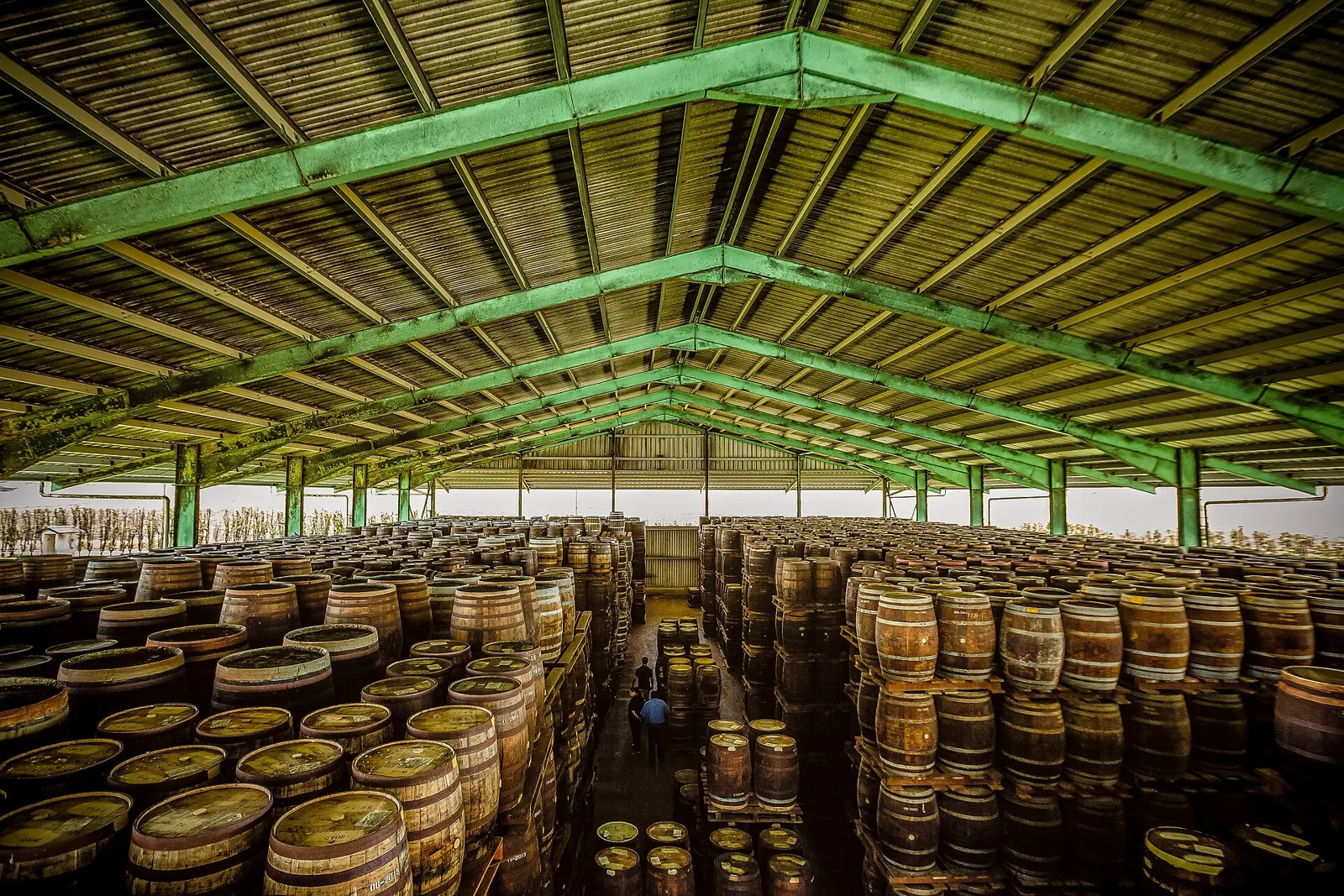
Rum often ages in used bourbon barrels, and the Caribbean heat makes a barrel work much faster than in Scotland. The angel's share is higher too, so a 10-year-old tropical rum can taste older than its age suggests.
A naval tradition
The Royal Navy gave sailors a daily rum ration for more than two centuries and ended it on July 31, 1970. Sailors still call that day "Black Tot Day."
For the cigar man: an aged Barbados or Guatemalan sipping rum, with its molasses and dried fruit, is one of the friendliest pairings for a medium-bodied Dominican or Nicaraguan cigar.
Affiliate disclosure: Red Meat & Cigar Club may earn a commission from some links on this site at no extra cost to you. Learn more.