Spirits · Red Meat & Cigar Club editorial
Why Spirits Taste Different: Bourbon to Cognac, Explained
Grain, law, stills, barrels and weather — what really separates the bottles on the back bar.
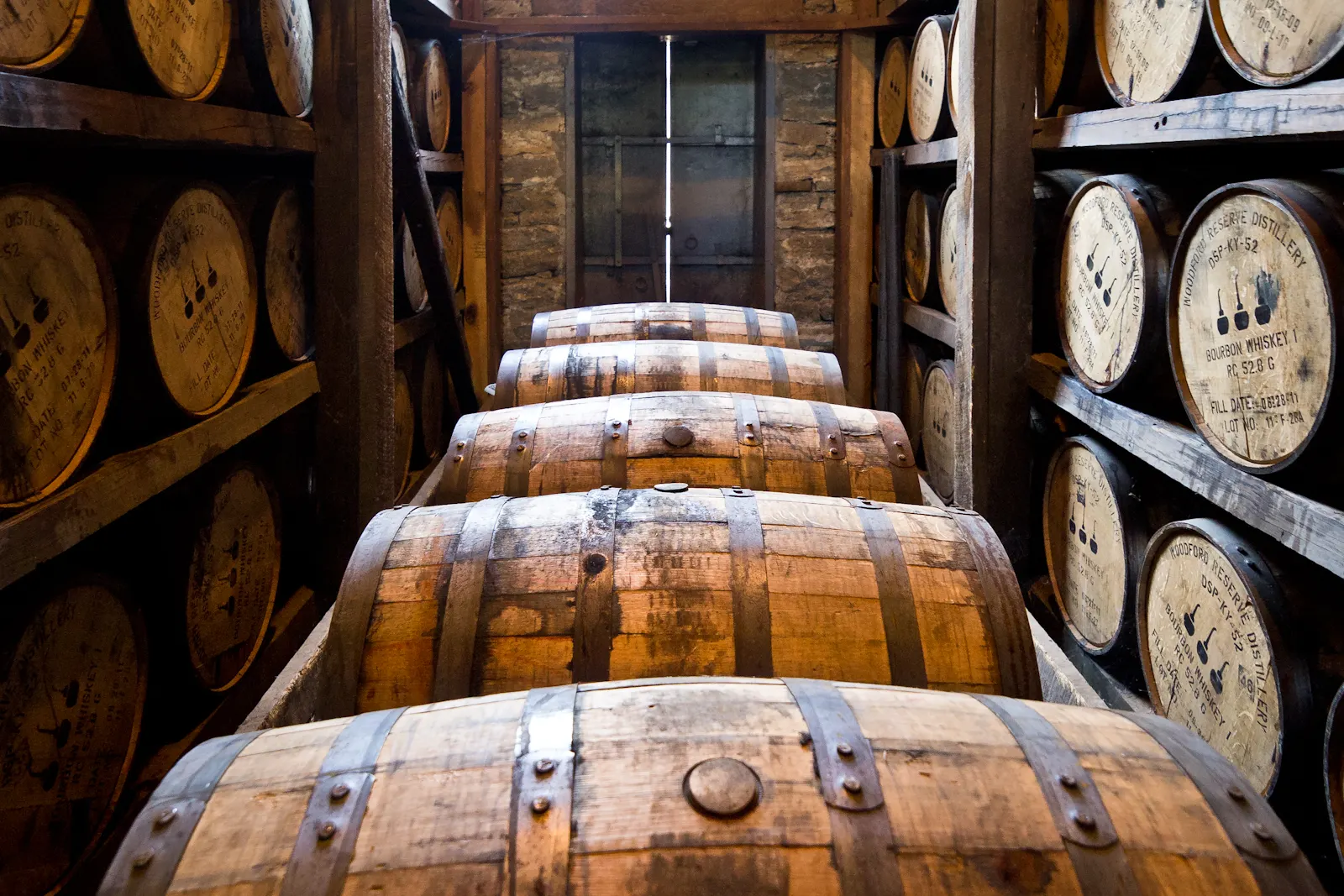
Every spirit on a good back bar starts the same way: something sugary or starchy is fermented into a low-alcohol "beer" or "wine," then distilled to concentrate the alcohol and flavor. What happens before and after that still — and what the law demands — is why a pour of bourbon tastes nothing like a pour of Islay Scotch or añejo tequila. Here are the five levers that matter.
1. The base: what it's made from
Corn gives sweetness and body. Rye brings spice and a drier, peppery edge. Malted barley tastes bready, nutty and malty. Wheat, used in "wheated" bourbons, reads softer. Outside the grain world, agave gives tequila and mezcal their vegetal, peppery, sometimes citrusy character; sugarcane and molasses give rum its sweetness; grapes give cognac its fruit.
2. The law: what each name legally means
- Bourbon (U.S. federal standards of identity): made in the United States from a mash of at least 51% corn, distilled to no more than 160 proof, entered into new, charred oak containers at no more than 125 proof, and bottled at 80 proof or more. There is no minimum age for plain "bourbon," but straight bourbon must be aged at least two years, with an age statement if under four. Bourbon does not have to come from Kentucky.
- Rye whiskey: the same rules, but at least 51% rye.
- Tennessee whiskey: under a 2013 Tennessee law, made in Tennessee from at least 51% corn, aged in new charred oak, and filtered through maple charcoal before aging — the Lincoln County Process.
- Scotch whisky (Scotch Whisky Regulations 2009): distilled and matured in Scotland, aged at least three years in oak casks, and bottled at no less than 40% ABV. Single malt means 100% malted barley, distilled in pot stills at a single distillery. Blended Scotch combines malt whisky with grain whisky.
- Irish whiskey: distilled and aged at least three years in wooden casks on the island of Ireland.
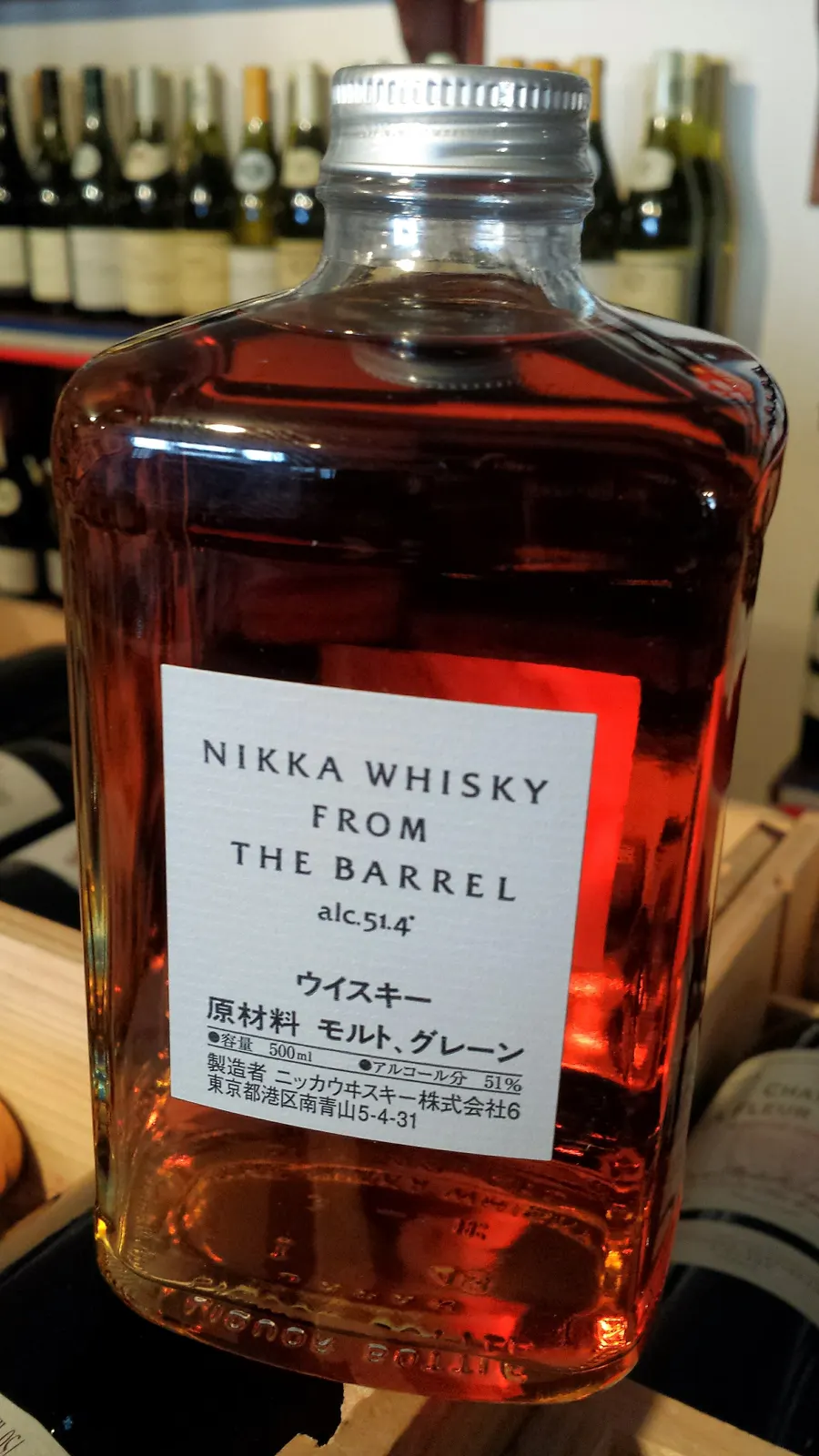
- Japanese whisky: industry standards adopted by the Japan Spirits & Liqueurs Makers Association in 2021 require malted grain, distillation in Japan, and at least three years of aging in Japan for whisky labeled "Japanese whisky."
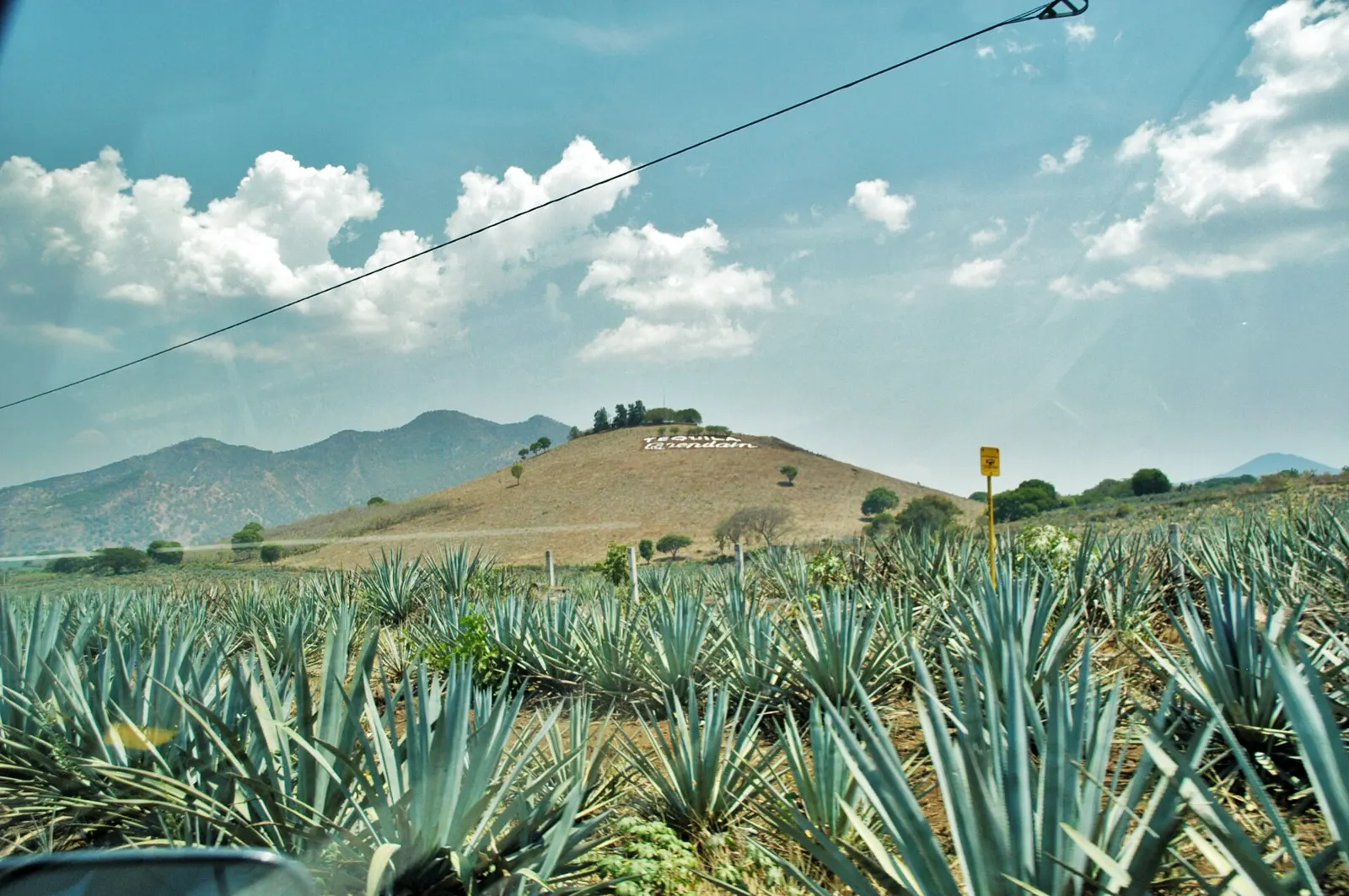
- Tequila: made from Blue Weber agave (Agave tequilana) grown in a designated territory — the state of Jalisco plus specified municipalities in Guanajuato, Michoacán, Nayarit and Tamaulipas. "100% agave" tequila uses only agave sugars; "mixto" may use up to 49% other sugars.
- Mezcal: may be made from many agave species, within its own designated states, of which Oaxaca is by far the best known.
- Cognac: grape brandy from the Cognac region of France, double-distilled in copper pot stills and aged at least two years in French oak.
- Rum, gin and vodka have looser rules. Rum comes from sugarcane products. Gin must have a predominant juniper flavor. Vodka is distilled to a high, nearly neutral proof.
3. The still
Pot stills work in batches and leave more of the heavy, oily, fruity compounds in the spirit — that's the house style of single malt Scotch, Irish pot still whiskey, cognac and many mezcals. Column (continuous) stills are efficient and can distill to higher proof for a lighter spirit. Most bourbon goes through a column still and then a "doubler" or "thumper." Vodka is distilled to a high proof, which strips out most of the character.
4. The barrel
This is the big one. Bourbon's required new charred oak gives a lot of vanilla, caramel, toasted-sugar and baking-spice flavor, and gives it fast. Because bourbon makers can only use a barrel once, used bourbon barrels end up around the world. Much Scotch, Irish whiskey and rum is aged in them, plus sherry casks, port casks and others. The Macallan's sherry oak and the dried-fruit notes it brings are a famous example. Tequila is graded by time in oak: blanco (unaged or briefly rested), reposado (at least two months), añejo (at least one year in containers no larger than 600 liters), and extra añejo (at least three years).
5. Smoke and climate
Peat: on Islay and elsewhere in Scotland, some malted barley is dried over peat fires, which leaves phenolic compounds that taste of smoke, iodine and tar. Mezcal gets its smoke differently, by roasting agave hearts in earthen pits. Climate: Kentucky's hot summers and cold winters push spirit deep into the wood and pull it back out, so the barrel works fast and evaporation (the "angel's share") is high. Scotland's cool, damp warehouses age whisky more slowly, and so does Ireland's. The Caribbean's tropical heat ages rum faster still. That's why a 12-year-old bourbon and a 12-year-old Scotch can taste so different.
At a glance
| Spirit | Base | Key legal rules | Still & wood | How it tastes |
|---|---|---|---|---|
| Bourbon | 51%+ corn | U.S.-made; new charred oak; ≤160 proof off the still; ≥80 proof bottled | Usually column + doubler; new charred oak | Sweet, caramel, vanilla, oak, baking spice |
| Rye | 51%+ rye | Same framework as bourbon | Column/pot; new charred oak | Drier, peppery, herbal spice |
| Tennessee whiskey | 51%+ corn | Made in Tennessee; maple charcoal filtering (Lincoln County Process) | New charred oak | Bourbon-like, often softer, slightly sooty-sweet |
| Single malt Scotch | 100% malted barley | Made and aged in Scotland 3+ years; single distillery; pot stills | Pot stills; ex-bourbon and sherry casks | Malt, fruit, honey; sherry richness or peat smoke |
| Blended Scotch | Malt + grain whisky | Scotland, 3+ years | Pot + column; reused casks | Lighter, smoother, approachable |
| Irish | Barley (malted/unmalted), other grains | Island of Ireland, 3+ years in wood | Pot and column; often reused casks | Smooth, fruity; pot still adds creamy spice |
| Japanese | Malted grain (often barley) | Industry standard: distilled and aged 3+ years in Japan | Pot and column; varied casks including Japanese oak | Precise, balanced, often delicate |
| Tequila | Blue Weber agave | Designated Mexican territory; blanco/reposado/añejo by age | Usually distilled twice; oak for aged styles | Cooked agave, pepper, citrus; vanilla when aged |
| Mezcal | Many agave species | Designated Mexican states | Often small pot stills | Smoky, earthy, vegetal |
| Rum | Molasses or cane juice | Rules vary by country | Pot or column; often ex-bourbon barrels | Light and grassy to rich, molasses, tropical fruit |
| Gin | Neutral spirit | Predominant juniper flavor | Redistilled with botanicals; usually unaged | Pine, citrus, herbs |
| Vodka | Grain, potato, anything fermentable | Distilled to high proof | Column; unaged | Clean, neutral, texture over flavor |
| Cognac | White grapes (mostly Ugni Blanc) | Cognac region; double pot-distilled; 2+ years French oak (VS 2, VSOP 4, XO 10) | Copper alembic; French oak | Dried fruit, floral, nutty, rancio with age |
The short version: the base sets the flavor, the law sets the limits, the still decides how much character survives, and the barrel and the weather finish the job.
Affiliate disclosure: Red Meat & Cigar Club may earn a commission from some links on this site at no extra cost to you. Learn more.