
PGA Tour Golf · Red Meat & Cigar Club editorial
Best Golf Courses in America
18 iconic American courses: where they are, who built them, what they have hosted, and whether a regular golfer can tee it up.
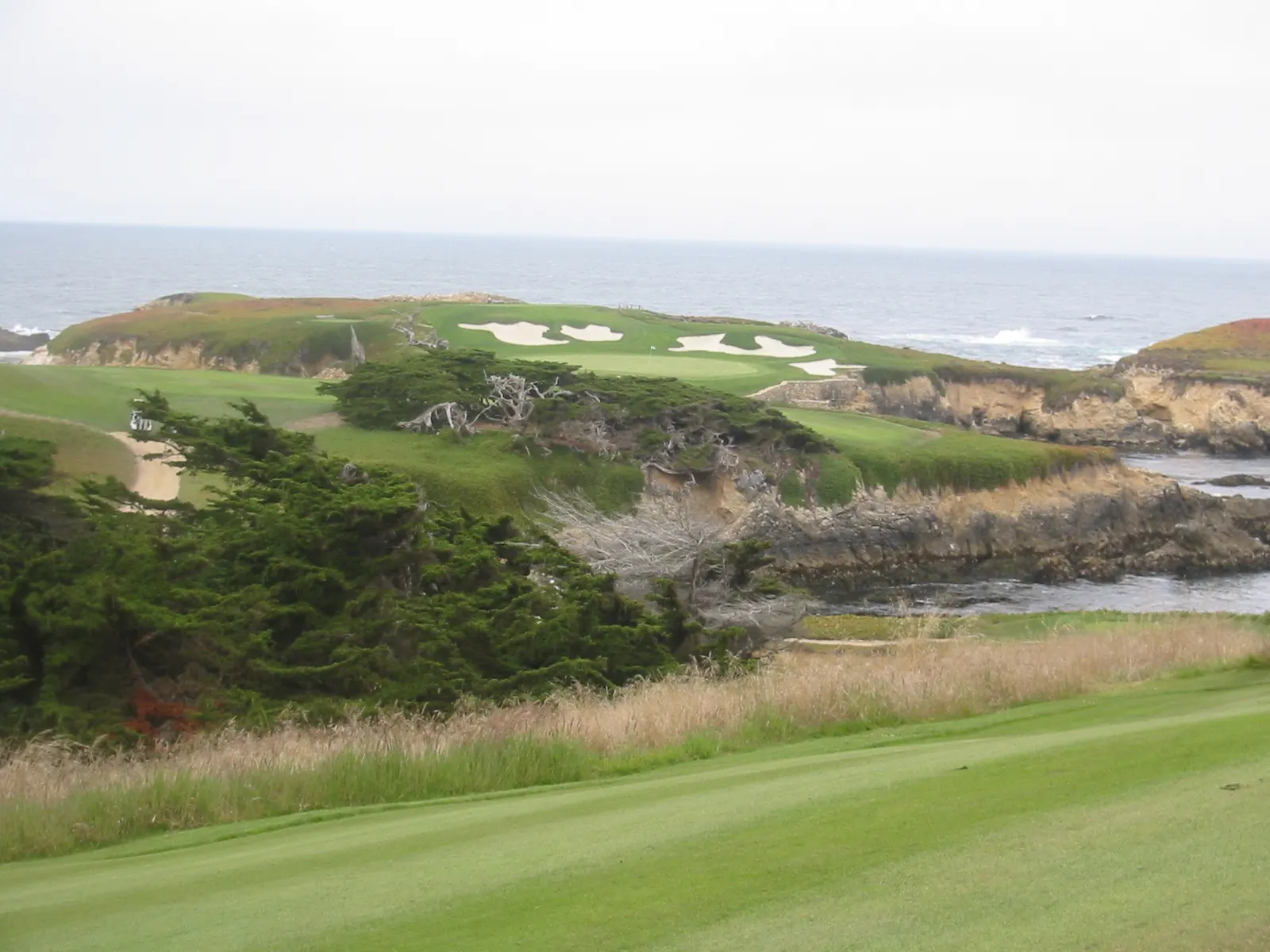
This is our own list, not anyone else's ranking. It's presented in no particular order, and it's built on history, design, and the championships these places have hosted. Some are private clubs most of us will only ever see on television. Others are public, and you can book a tee time. We've noted which is which. We don't list green fees because they change often and vary by season and residency. Check each course directly.
Jump to: Augusta National Golf Club · Pebble Beach Golf Links · Pine Valley Golf Club · Cypress Point Club · Shinnecock Hills Golf Club · Oakmont Country Club · Merion Golf Club · Pinehurst No. 2 · Winged Foot Golf Club · Black Course · TPC Sawgrass · Whistling Straits · The Ocean Course · Pacific Dunes · Chambers Bay · Torrey Pines · Sand Hills Golf Club · Erin Hills
Augusta National Golf Club
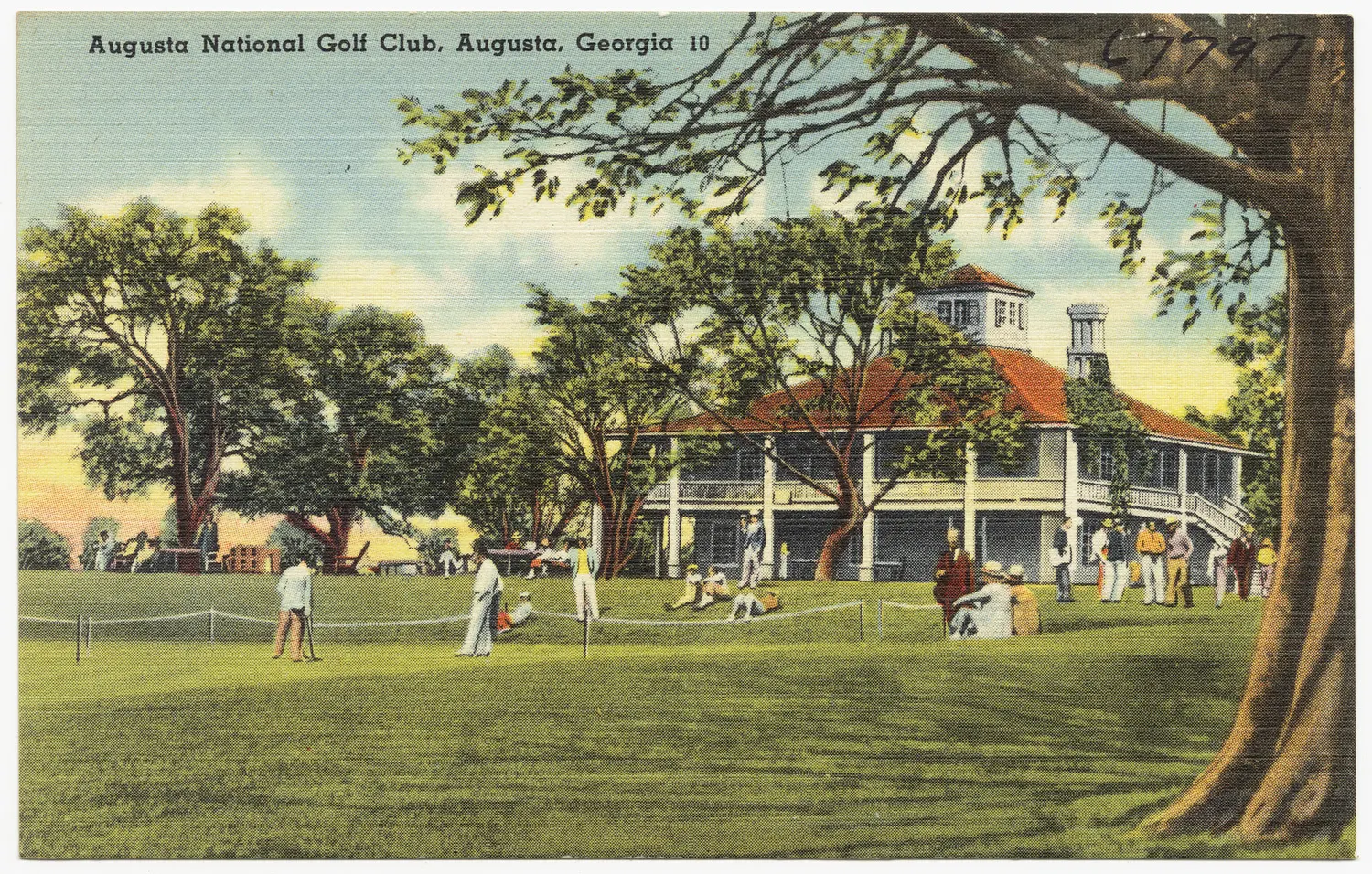
No course is more familiar to American golfers, because we've watched it every spring for most of our lives. Jones and MacKenzie built wide, rolling fairways with fast, steep greens, so the real defense is where you have to put your approach shot. Amen Corner, the par-5 13th and 15th where players go for the green in two, and the Sunday back nine make it the most dramatic stretch in golf.
Pebble Beach Golf Links
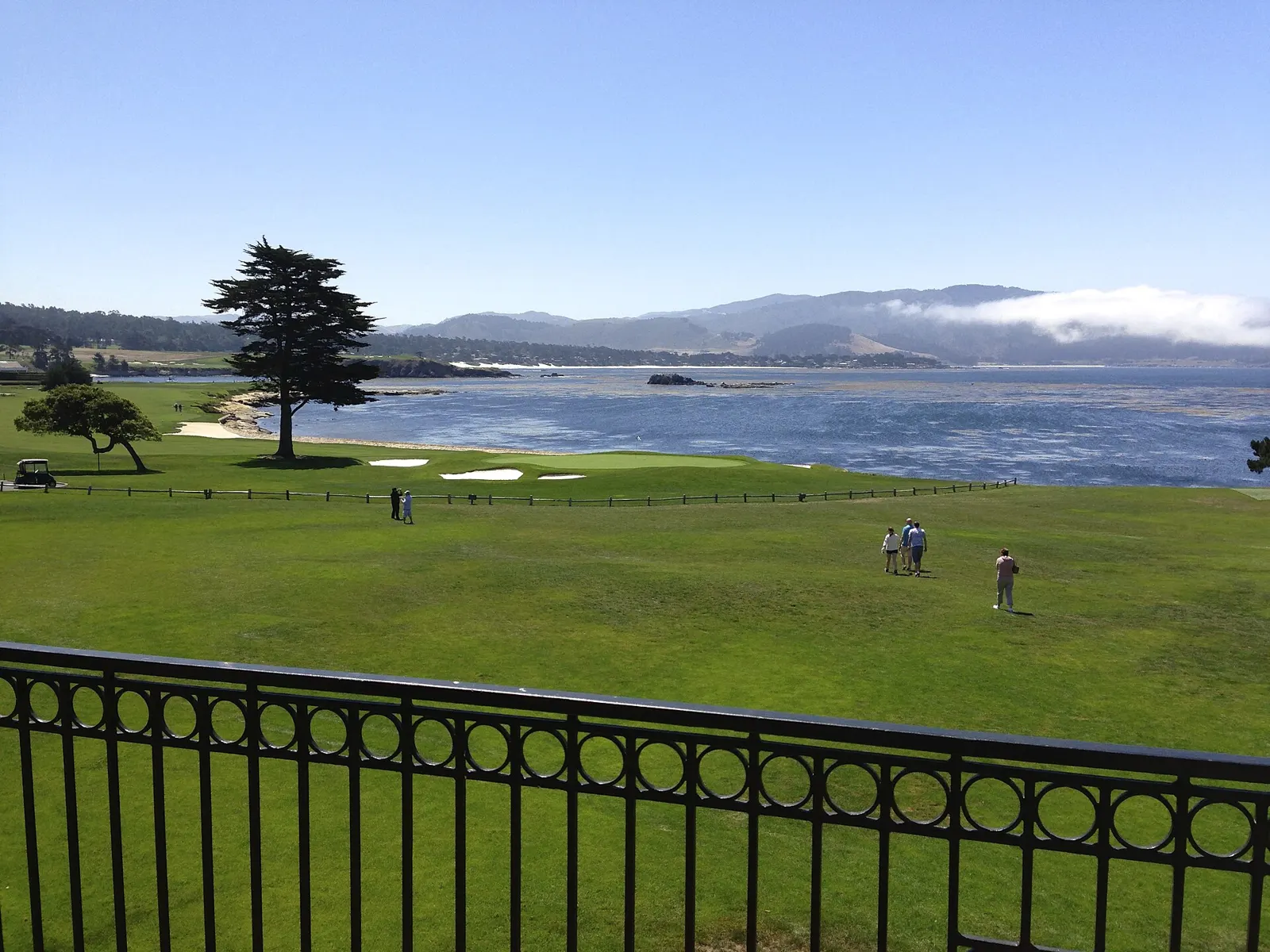
Probably the best course in America that any golfer can play. The stretch from the tiny par-3 7th out along the cliffs over Carmel Bay through the 10th is among the most famous holes in golf. The par-5 18th curls along the seawall. Jack Nicklaus, Tom Watson and Tiger Woods all won U.S. Opens here. Woods won by 15 shots in 2000.
Pine Valley Golf Club
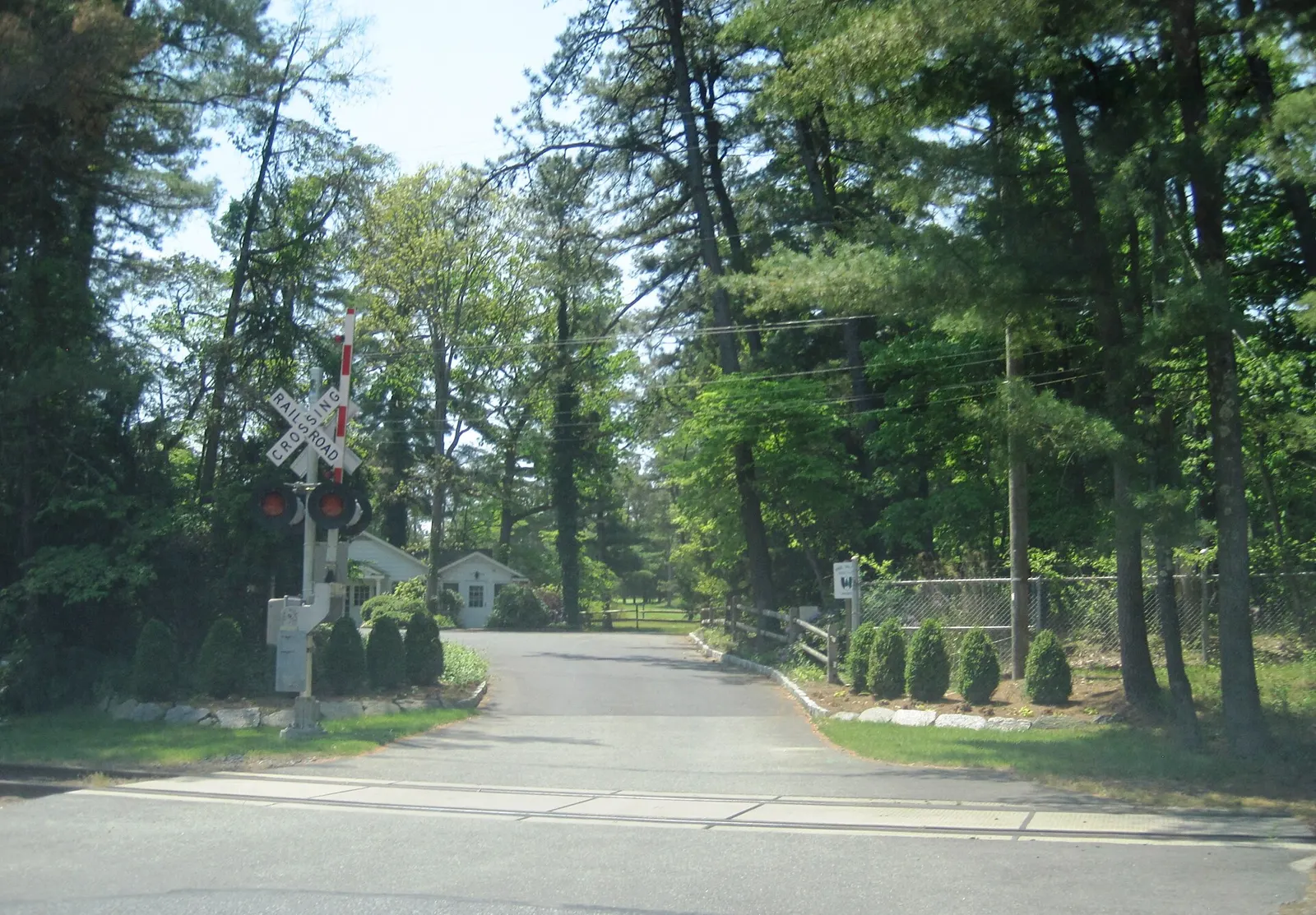
Pine Valley is carved out of sandy pine barrens. Every hole is an island of fairway and green surrounded by sand and scrub, so there's almost nowhere to bail out. Golfers who've played it often call it the toughest and most complete test in the game, and it's famously hard to get onto.
Cypress Point Club
MacKenzie's routing runs from cypress forest to sand dunes to the rocky coast, finishing with the par-3 15th and 16th over the Pacific inlets. The 16th asks for a long carry over crashing surf, and it's one of the most photographed holes in the world. If you get invited, go.
Shinnecock Hills Golf Club
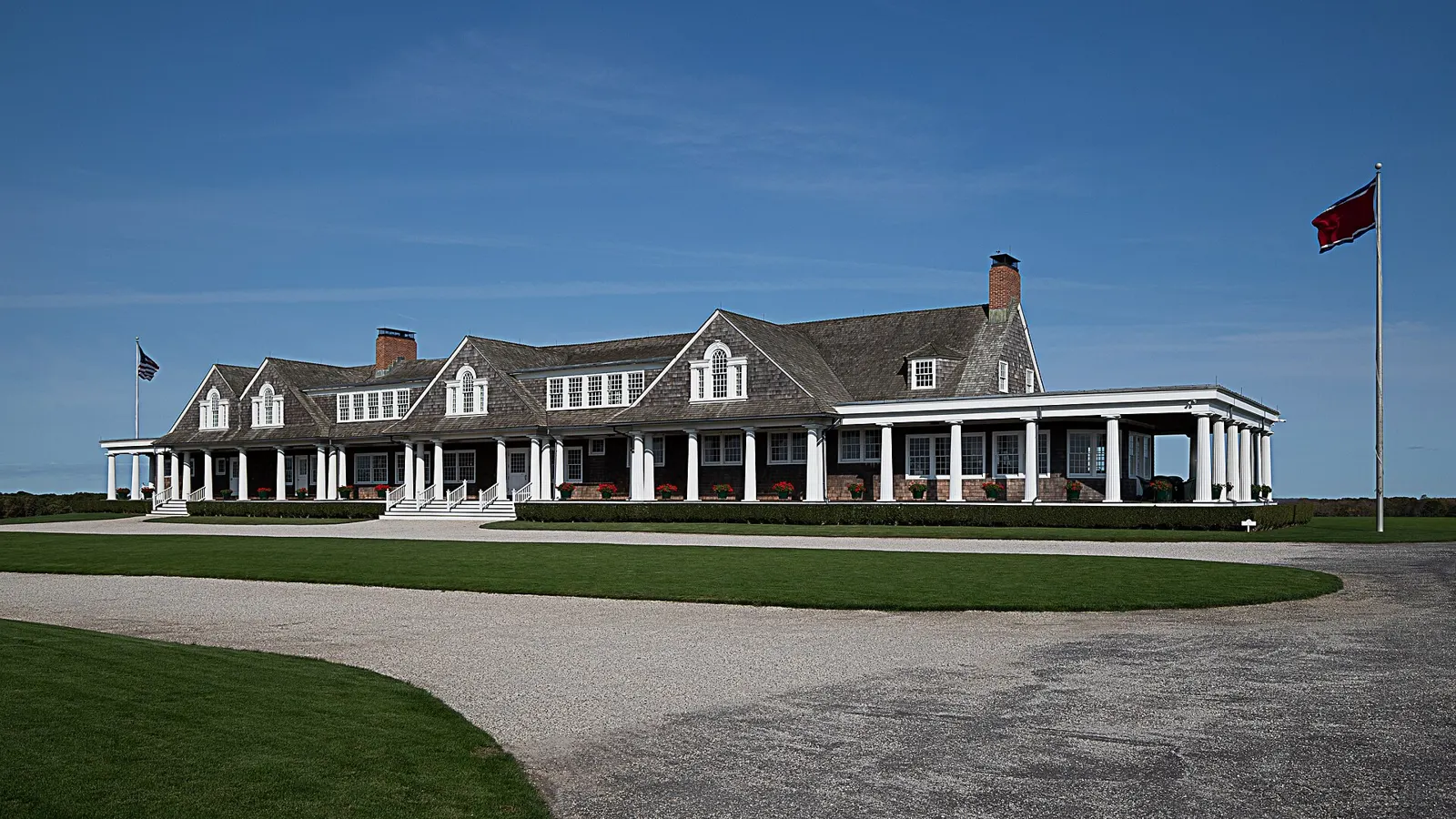
One of the founding clubs of the USGA, with one of the oldest clubhouses in American golf. Flynn's course runs over windswept, linksy terrain at the east end of Long Island, and in a stiff breeze it can be brutal. It's the closest thing America has to the great links of the British Isles.
Oakmont Country Club
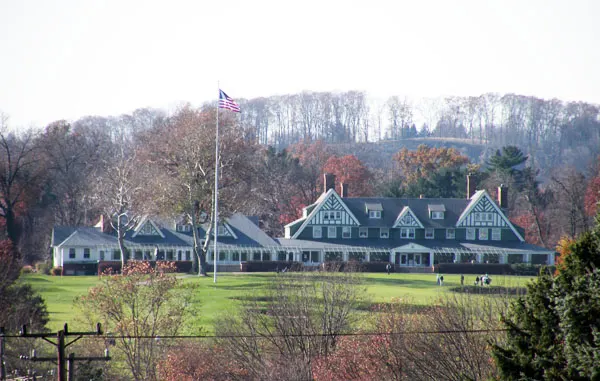
Fownes wanted a course that punished every bad shot, and Oakmont still does. It has some of the fastest greens in championship golf, deep bunkers including the famous "Church Pews" between the 3rd and 4th fairways, and very little shade or forgiveness. Hogan, Nicklaus and Johnny Miller, with his famous final-round 63 in 1973, all won here.
Merion Golf Club (East Course)
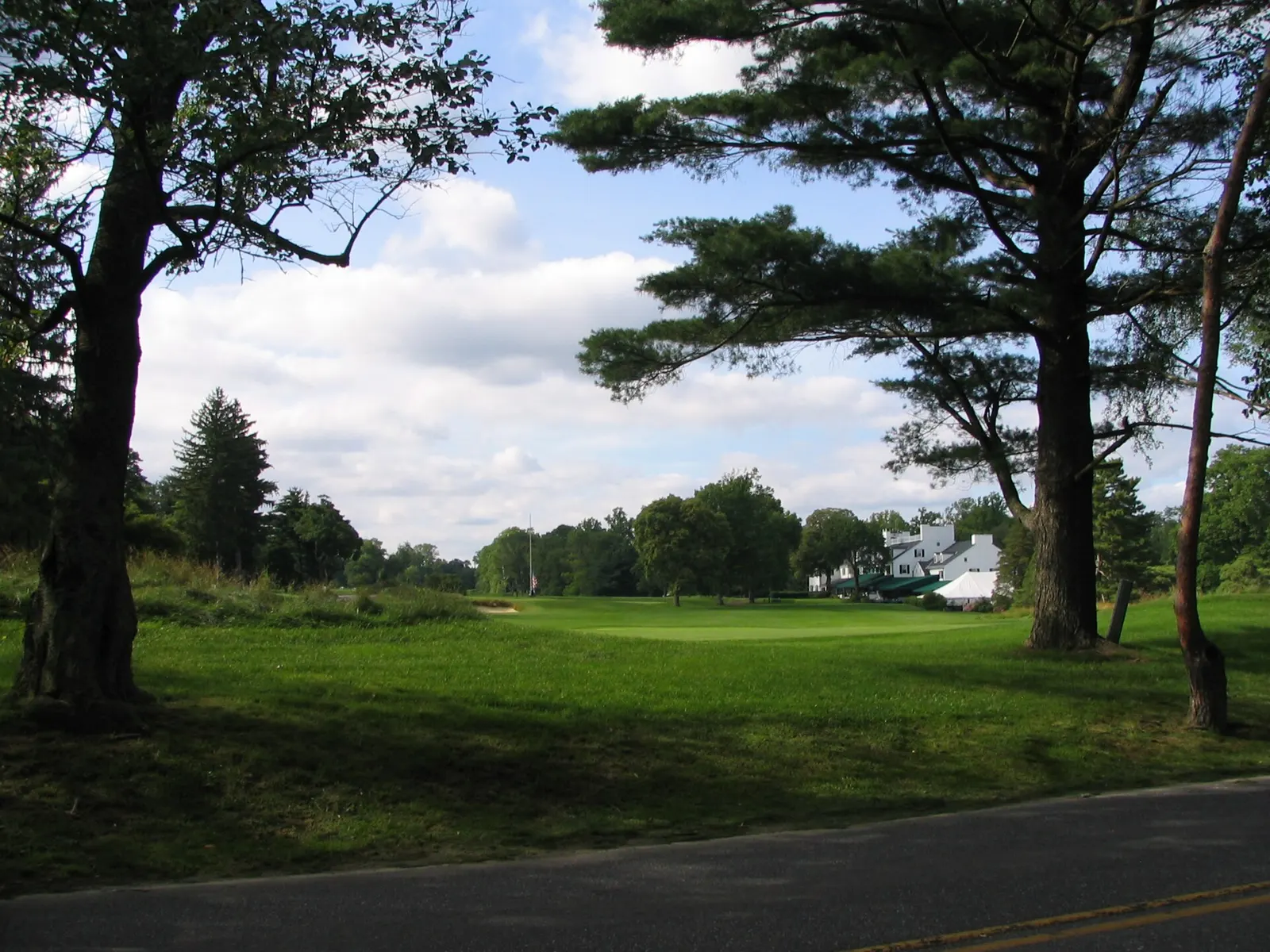
Merion proves a course doesn't need 7,500 yards to be great. It's compact, clever, and lined with history. Ben Hogan hit his famous 1-iron to the 18th green here in 1950, just 16 months after a near-fatal car crash. Instead of flags, the pins are topped with wicker baskets.
Pinehurst No. 2
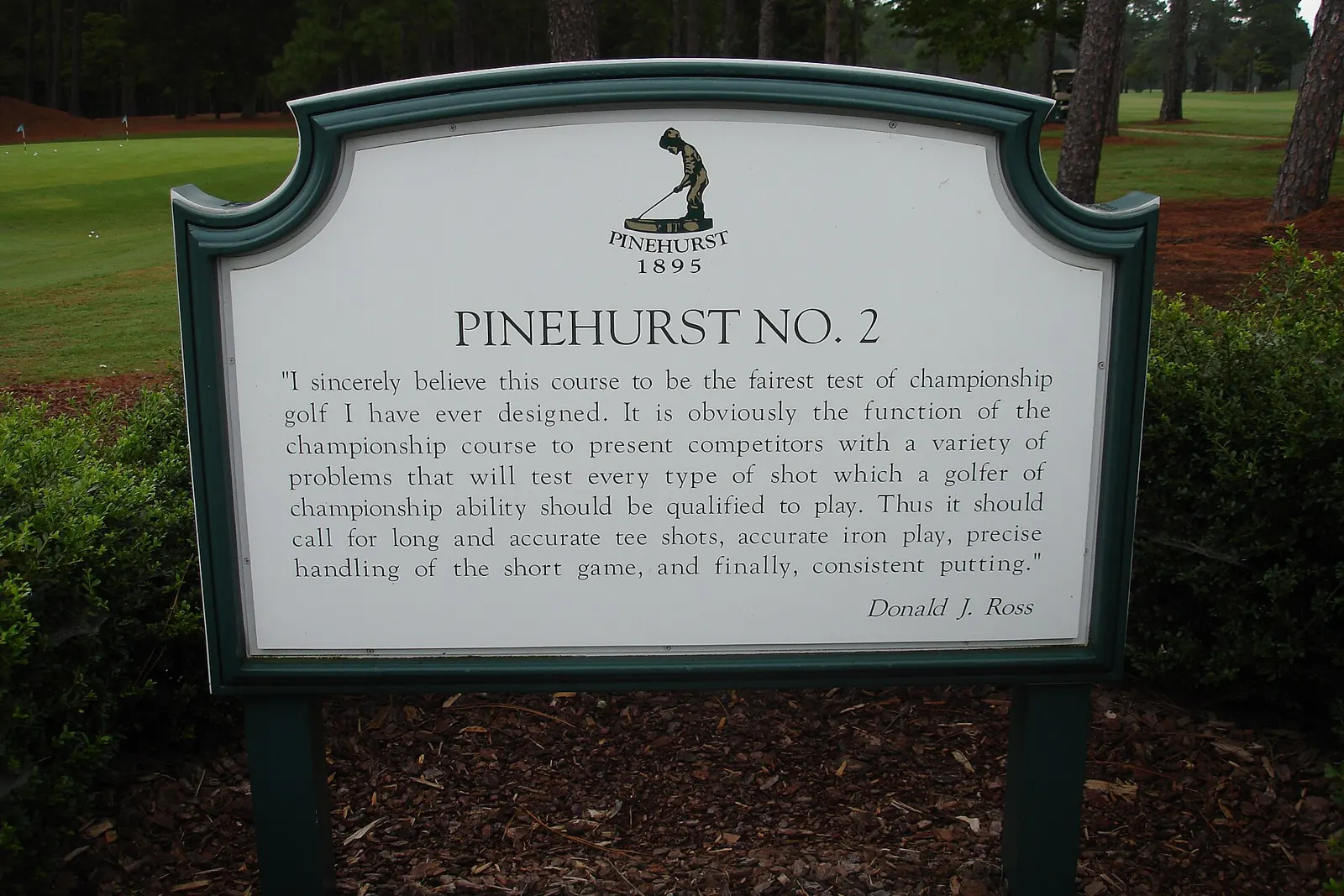
Ross's masterpiece is famous for its domed, turtleback greens, which shed good-looking approach shots into tight chipping areas. Coore and Crenshaw took out the rough and brought back the sandy, wiregrass-dotted waste areas. Payne Stewart's 1999 win and the statue by the 18th green make it a pilgrimage.
Winged Foot Golf Club (West Course)
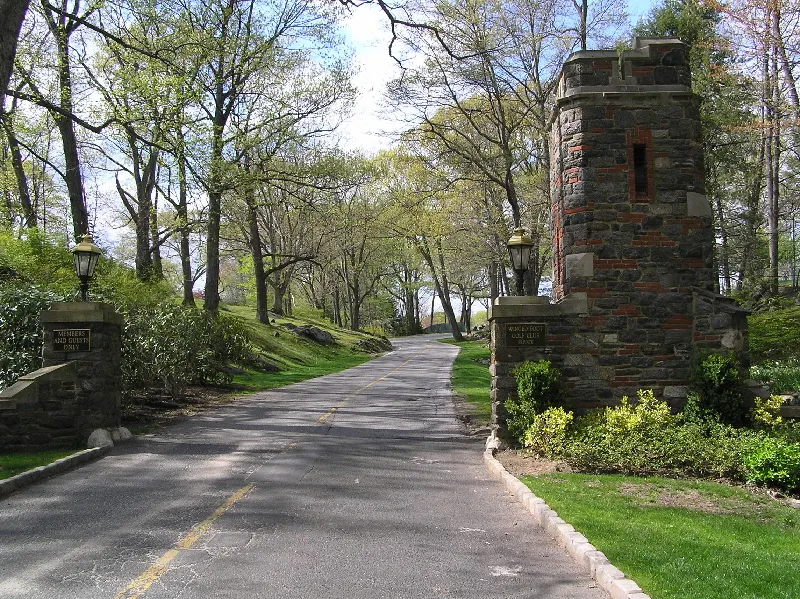
Tillinghast built it to test a championship field, and it has never stopped. The 1974 U.S. Open, won at seven over par, became known as the "Massacre at Winged Foot." Long par 4s, deep greenside bunkers and pear-shaped, heavily contoured greens make par a good score.
Bethpage State Park — Black Course
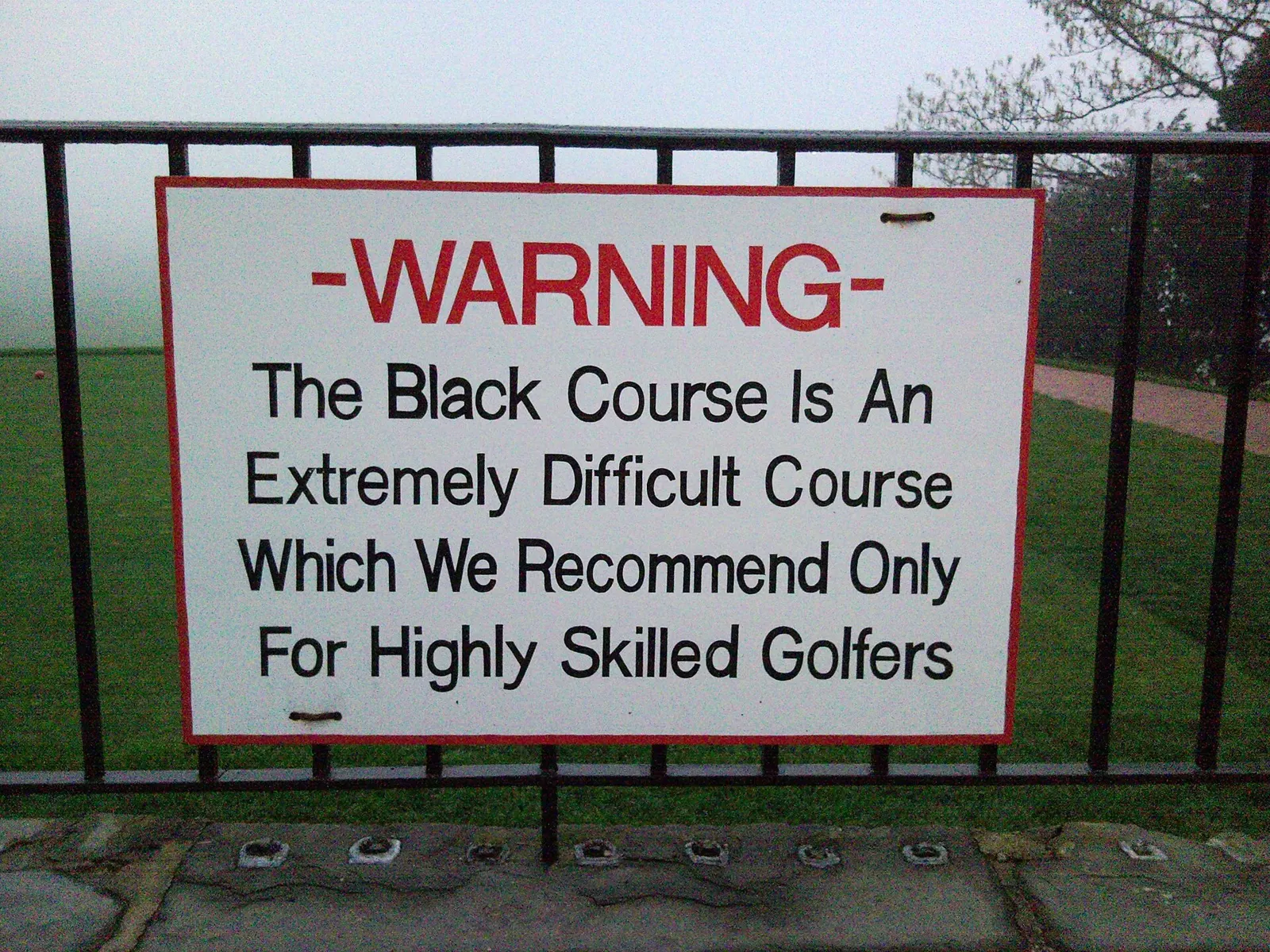
The people's major championship course. The sign on the first tee says it all: "The Black Course is an extremely difficult course which we recommend only for highly skilled golfers." It's long, it's hilly, and the huge bunkers are hard to miss. Golfers famously used to sleep in their cars to get a tee time.
TPC Sawgrass (Stadium Course)
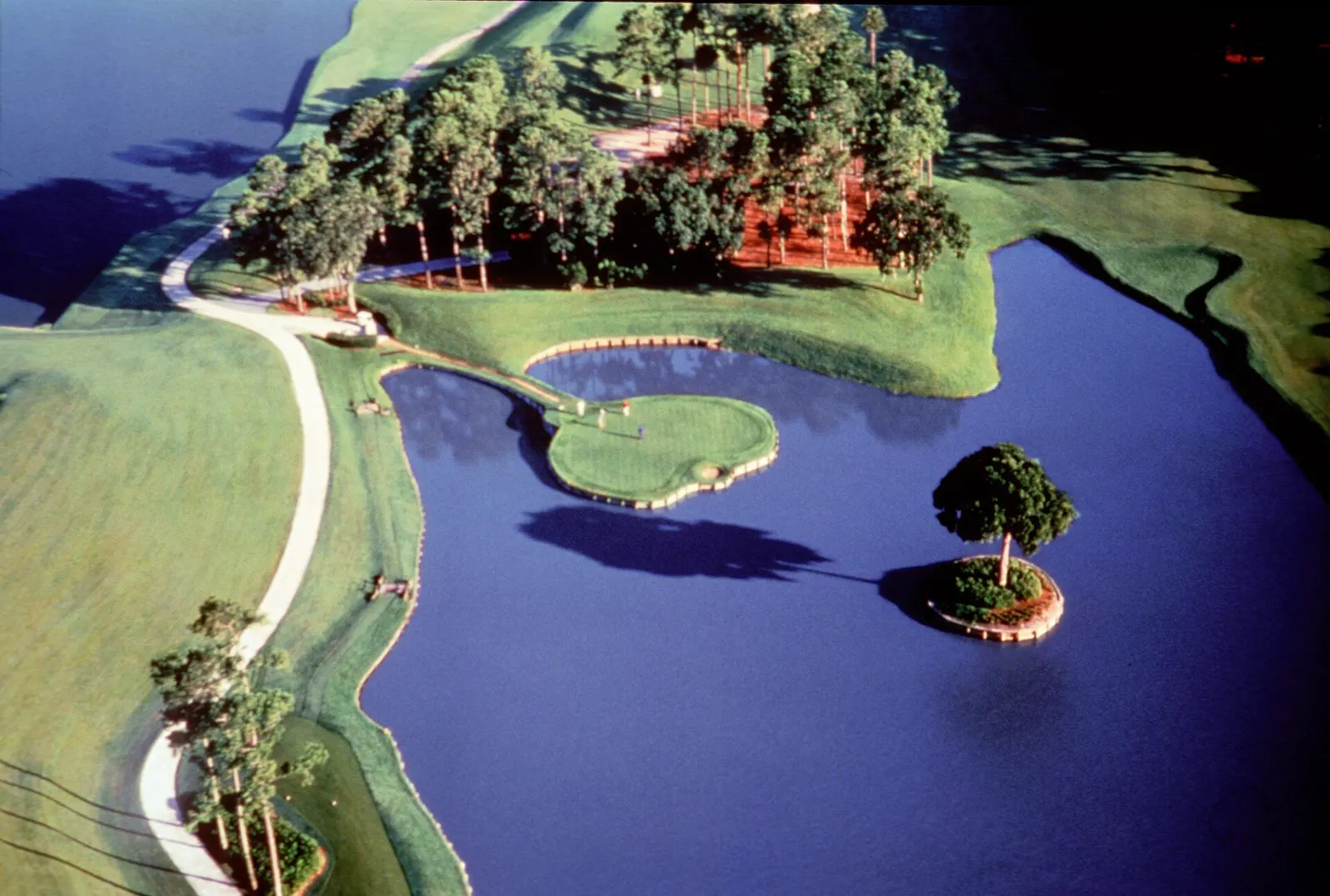
Pete Dye built the original stadium course, with mounds designed for spectators, and gave golf its most nerve-wracking short hole. The 17th is a wedge to an island green played in front of tens of thousands of fans. The water-lined 18th follows right after. It's one of the few championship courses you can actually play.
Whistling Straits (Straits Course)
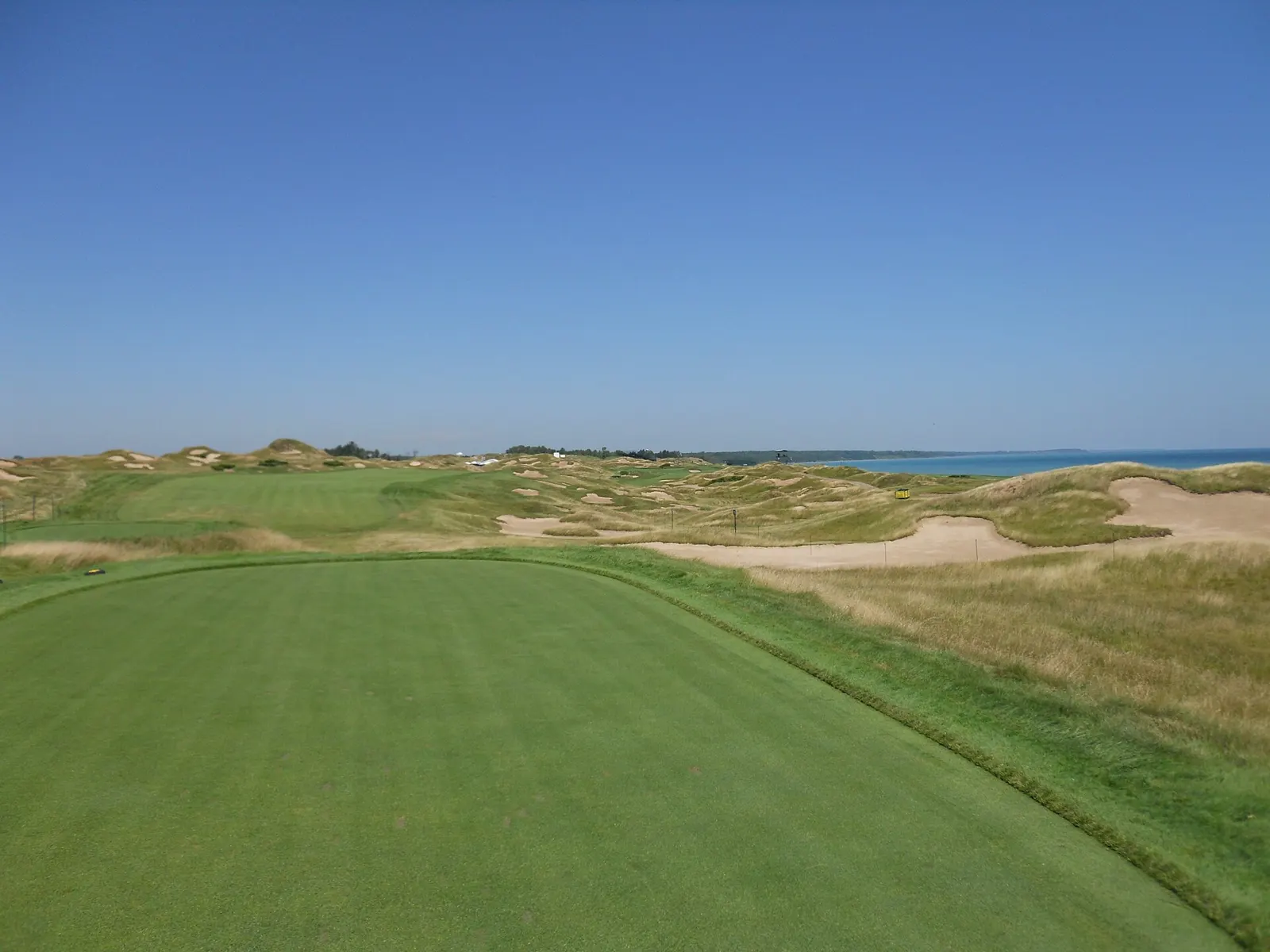
Pete Dye took flat farmland on the Lake Michigan shore and moved earth to create an Irish-style links, complete with grazing sheep and hundreds of bunkers. The 2010 PGA ended in controversy when Dustin Johnson was penalized for grounding his club in a sandy area he didn't realize was a bunker.
Kiawah Island — The Ocean Course
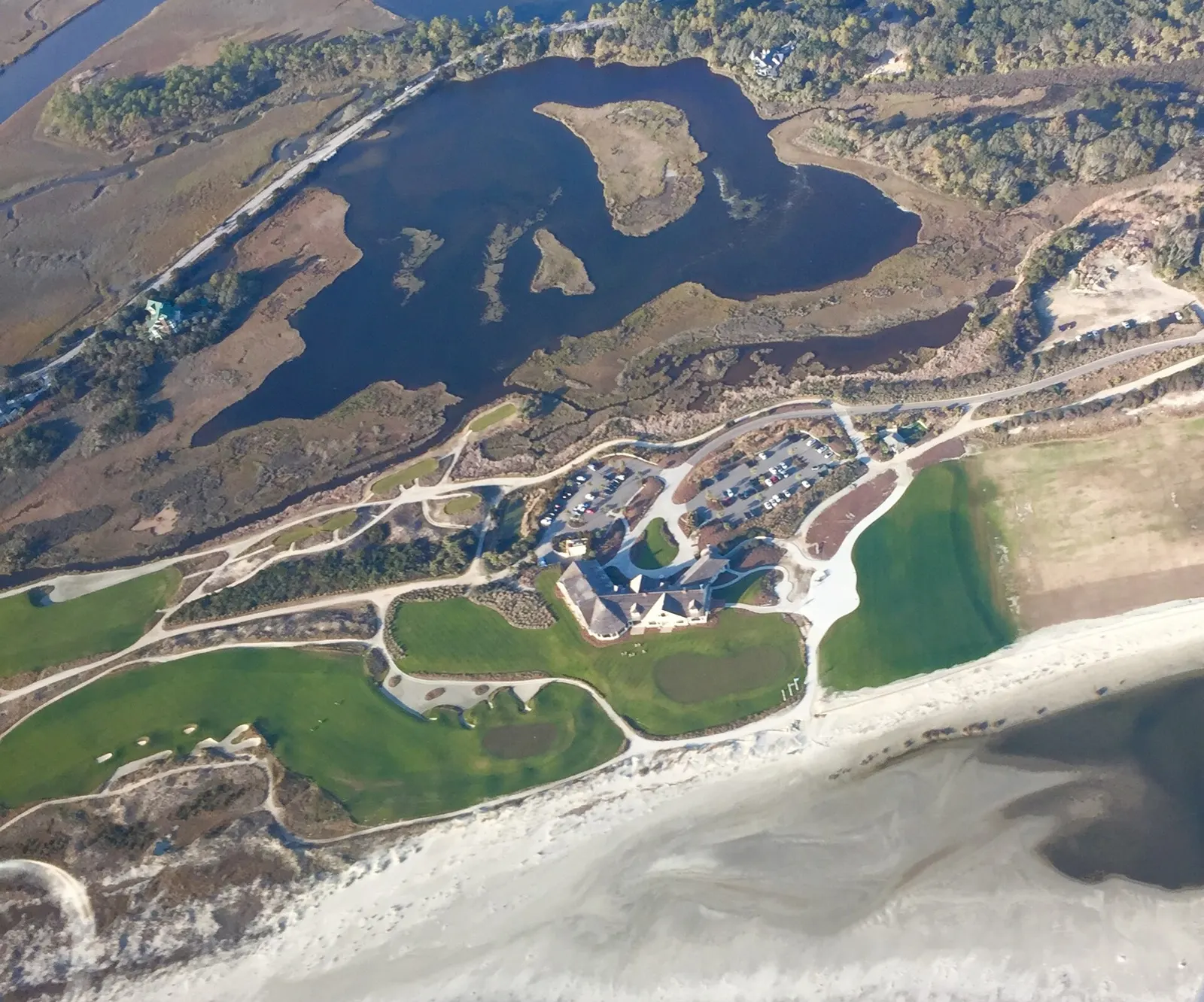
Built in a hurry for the 1991 Ryder Cup, the Ocean Course runs right along the Atlantic dunes and is wide open to the Atlantic wind, which can change it completely from one day to the next. Phil Mickelson won the 2021 PGA here at age 50, becoming the oldest major champion in history.
Bandon Dunes Golf Resort — Pacific Dunes
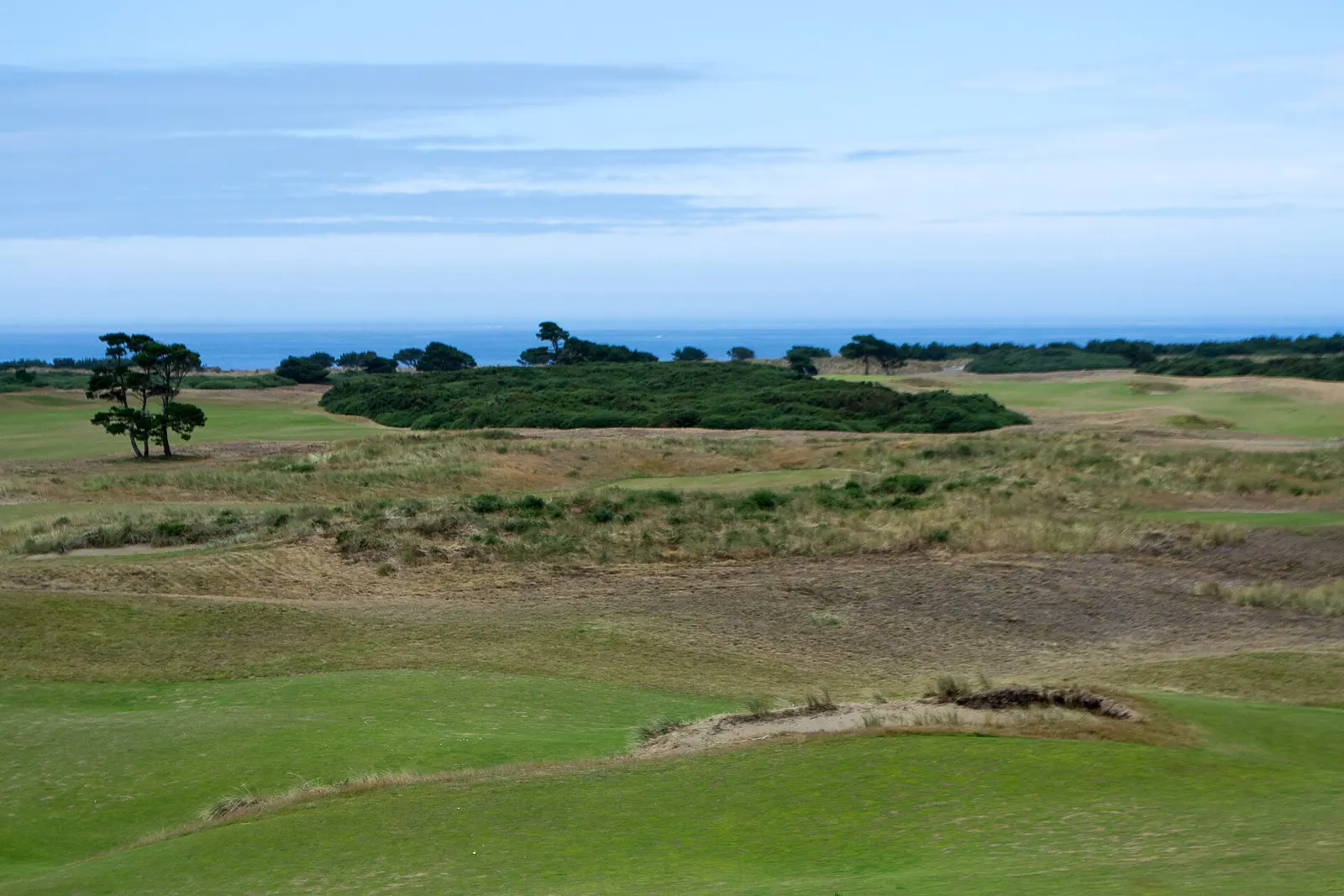
Mike Keiser's resort brought true links golf to America: firm, fast, and walking only, on dunes above the Pacific. Pacific Dunes is often named the best of its several courses. Its unusual routing, with four par 3s on the back nine, is part of what makes it so memorable. It's the golf trip every serious American golfer should make.
Chambers Bay
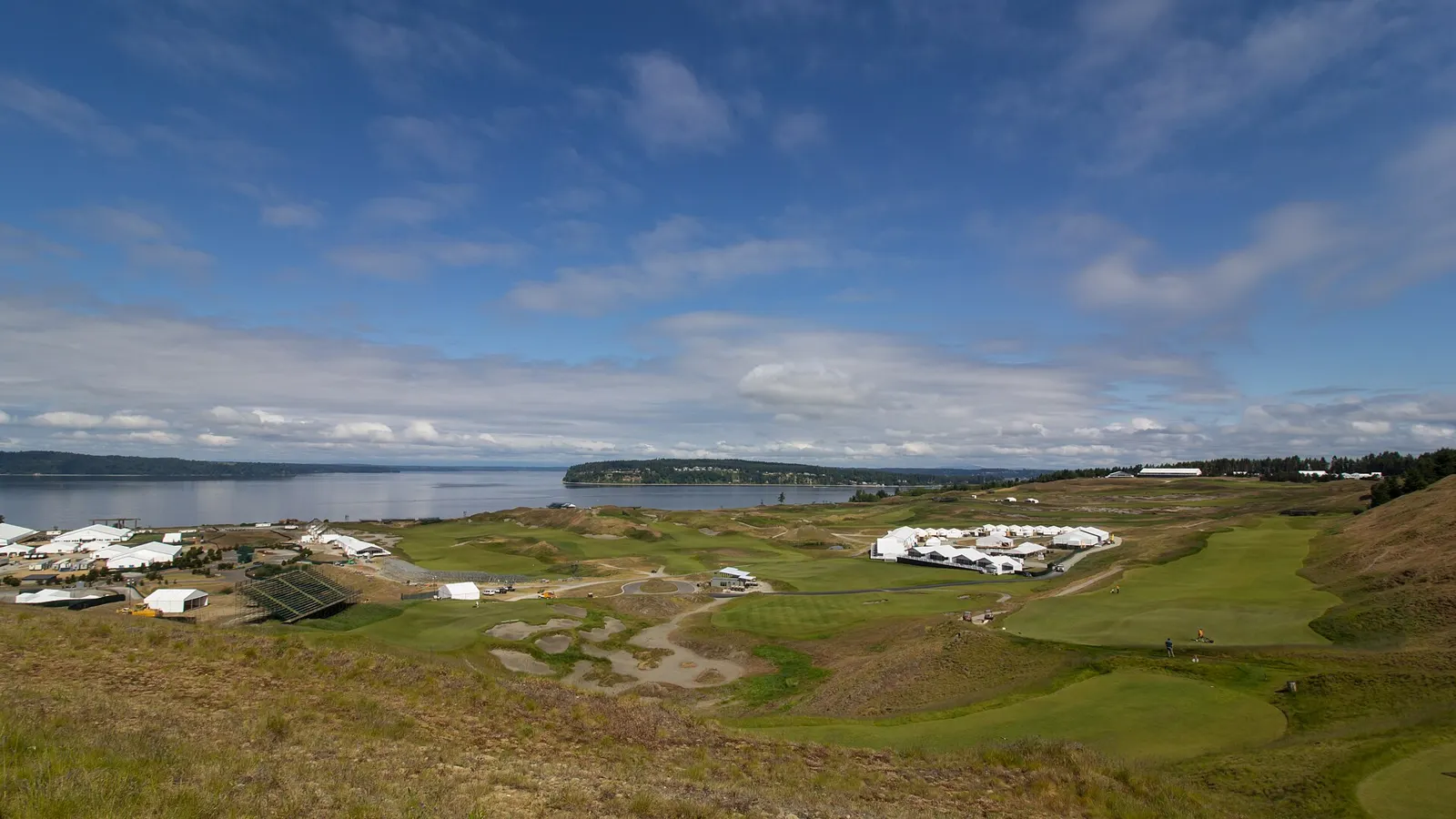
An old sand-and-gravel quarry became a fescue links course above Puget Sound, with a single lone fir tree and freight trains rolling along the shore. Jordan Spieth won the 2015 U.S. Open here at 21. It's a rare true links that any golfer can play in the Pacific Northwest.
Torrey Pines (South Course)
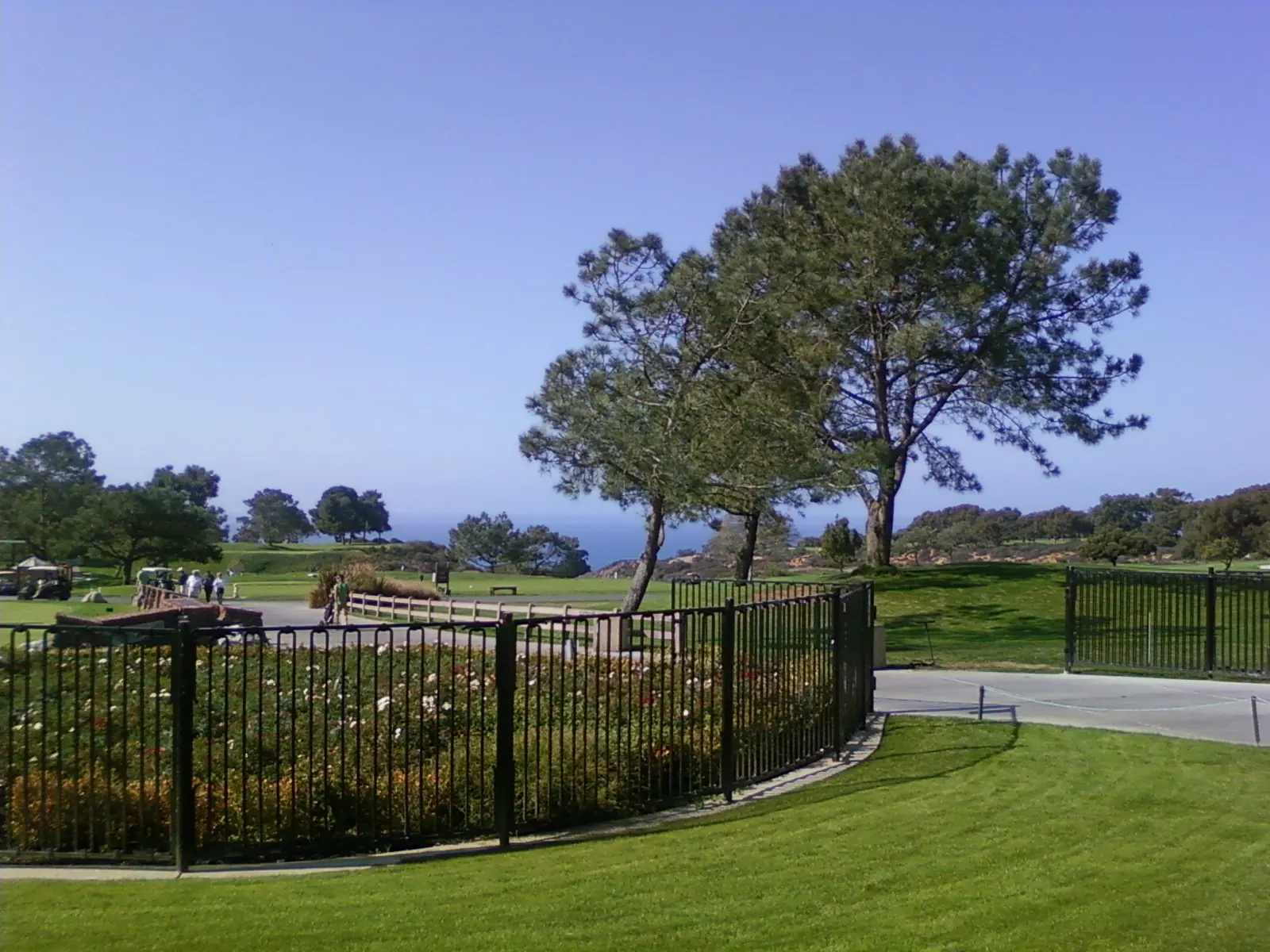
A municipal course with major championship credentials and ocean views. In 2008 Tiger Woods won the U.S. Open here on a broken leg, in a Monday playoff against Rocco Mediate. Jon Rahm birdied the last two holes to win in 2021.
Sand Hills Golf Club
Out in the Nebraska Sandhills, Coore and Crenshaw found holes already shaped by the wind and barely moved any dirt. The result is natural-looking golf among sand blowouts and prairie grass, and it helped spark the modern minimalist movement in American course design. It's remote, quiet and very private, and those who've played it rarely stop talking about it.
Erin Hills
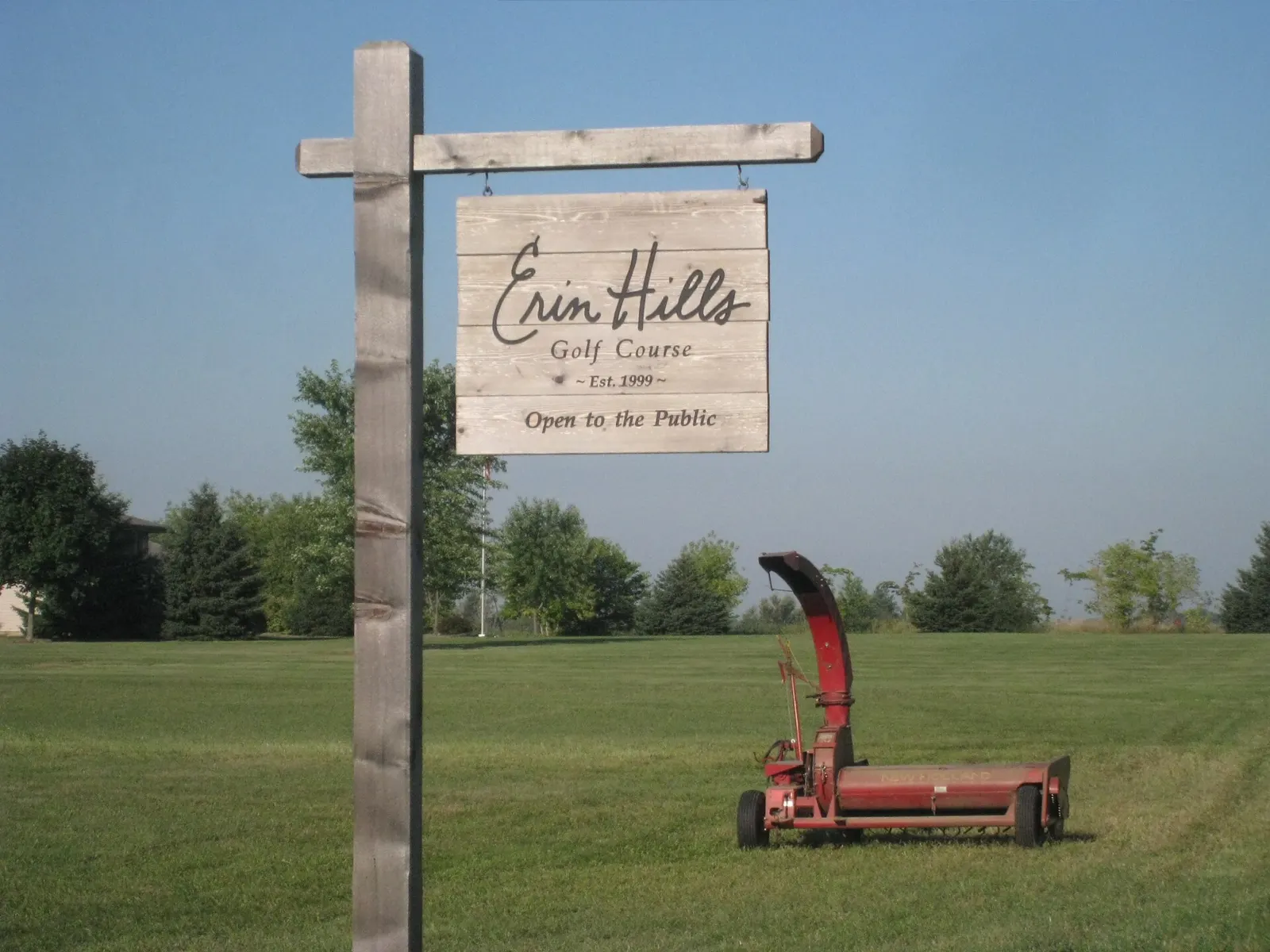
Built on land shaped by glaciers in Wisconsin's Kettle Moraine, Erin Hills is huge, rolling and natural, with fescue lining every fairway. Brooks Koepka won his first major here in 2017. For a public course, it can stretch to championship length.
Facts verified against club, resort, USGA and PGA of America sources and major golf references as of October 2026. Access policies change, so contact a course before planning a trip.