
Cars · Red Meat & Cigar Club editorial
Buying Your First Classic Car
Questions to ask before you fall in love.
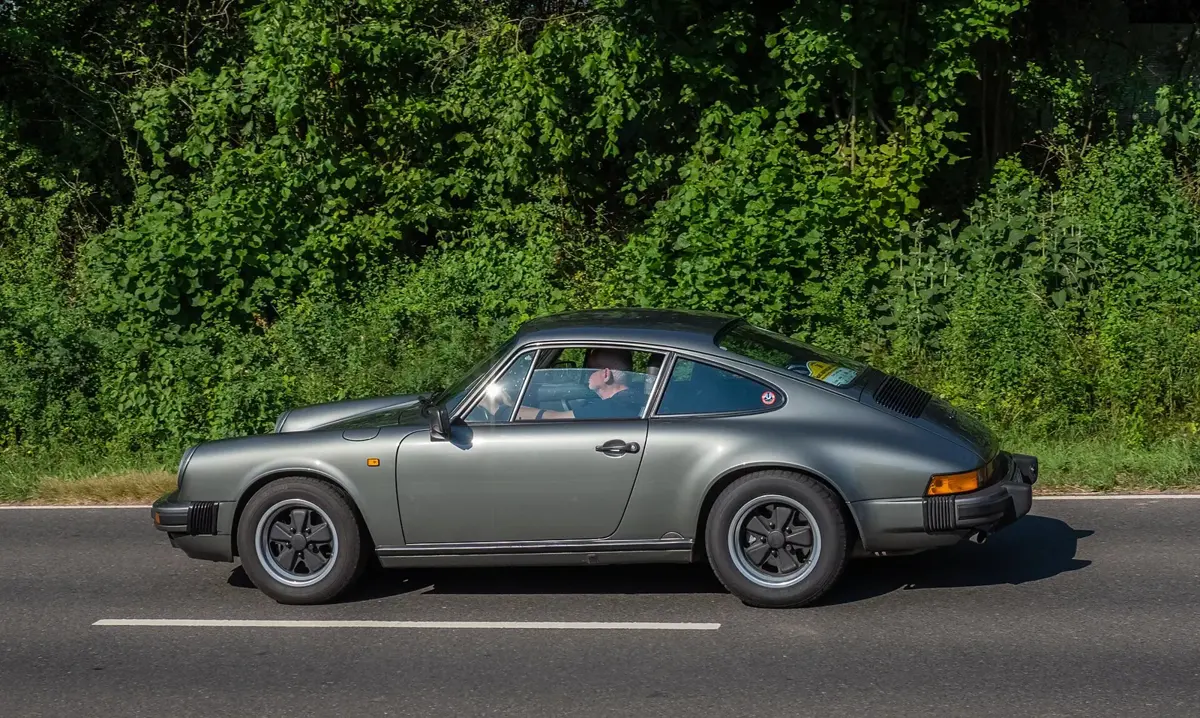
Buying a classic car is part purchase, part relationship. The right car can deliver years of Saturday drives, car shows, and conversations at gas stations. The wrong one can become a money pit that sits under a cover. Here's how to improve the odds.
Decide what you want it for
Be honest about how you'll use it. A weekend cruiser, a show car, a project you want to wrench on, an investment, and a car you'll drive regularly all call for different choices. Concours-level restorations aren't fun to drive in traffic; a solid "driver-quality" car is often the happiest choice for a first classic.
Pick a model with support
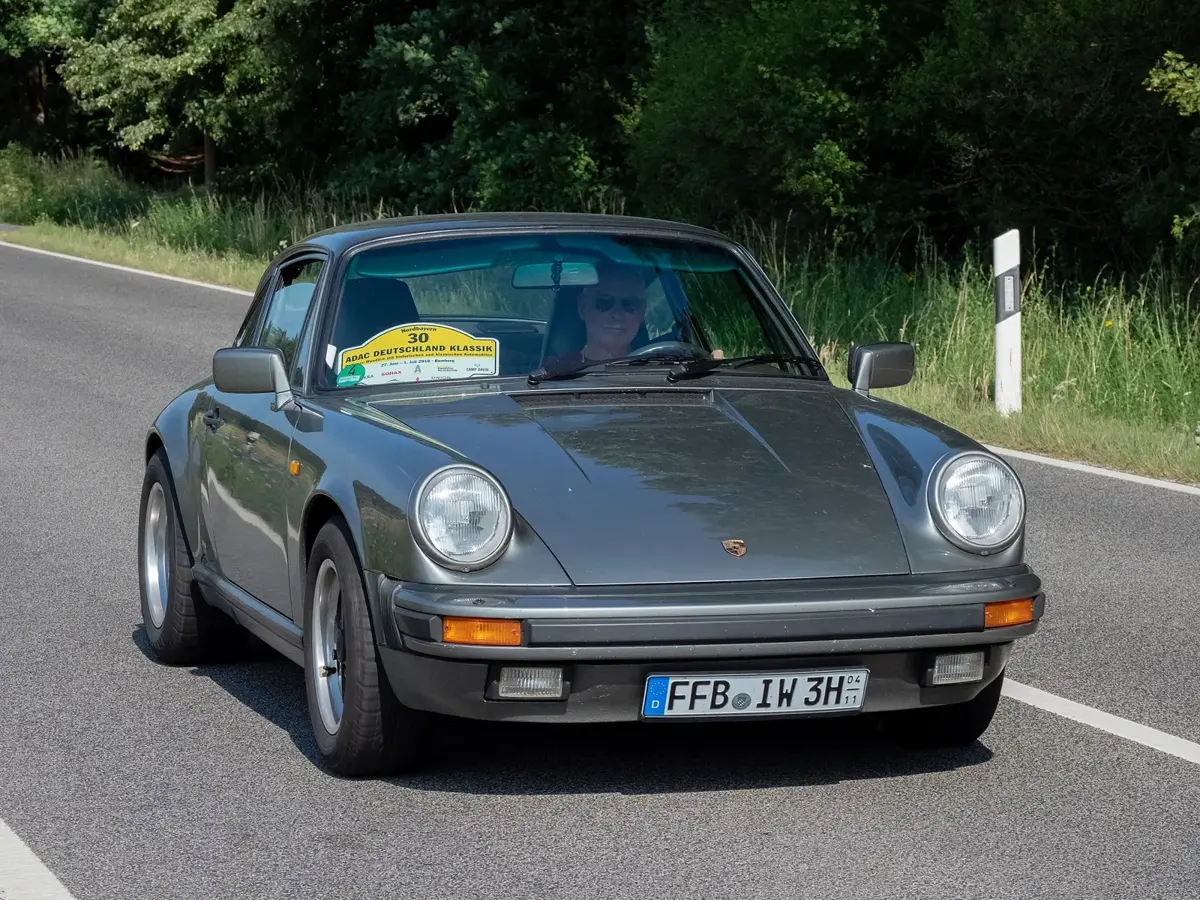
Popular classics like first-generation Mustangs, Chevrolet Camaros and Chevelles, Corvettes, air-cooled Volkswagens, older Porsche 911s, Jeeps, and classic pickups have big owner communities and good parts availability. Rare cars can be wonderful, but finding parts and knowledgeable mechanics can be hard and expensive.
Rust is the enemy
Mechanical problems can usually be fixed. Rust repair is often far more expensive. Inspect:
- Floor pans and trunk floor (lift the carpets and mats).
- Rocker panels, lower fenders, and door bottoms.
- Frame rails, subframes, and suspension mounting points.
- Around the windshield and rear window.
- Wheel wells and quarter panels.
Bring a magnet and a flashlight. Body filler hides rust; a magnet won't stick well where there's thick filler. Bubbling paint is a warning sign. Cars from dry climates like Colorado, Arizona, and California often have less rust than cars from the salt belt.
Paperwork and numbers
- Title: make sure it's clear and matches the VIN on the car.
- VIN and data plates: decode them and verify they match the claimed model, engine, and options.
- Matching numbers: for valuable models, original engine and transmission stamped with numbers matching the car can be worth a lot. Learn how to verify numbers for your model; professionally restamped engines exist.
- Documentation: build sheets, window stickers, owner history, receipts, and restoration photos add value and trust.
Get a pre-purchase inspection
Hire a specialist who knows the model to inspect the car before buying — it's the single best money you can spend. If buying remotely, many specialists and inspection services will travel or work through local partners. For high-value cars, independent authentication from marque experts or registries is worth considering.
Budget beyond the price
A common rule of thumb is to set aside a meaningful extra budget — often cited at 10 to 20 percent or more — for the first year of ownership. Plan for:
- Fluids, belts, hoses, and tires (old tires can look fine but be dangerously aged).
- Brake work and suspension bushings.
- Insurance: specialty classic car policies often have agreed-value coverage and mileage limits.
- Storage: a garage or secure facility. See storing a car through winter.
Where to buy
Options include local sellers, dealers specializing in classics, auctions (both in-person and online), and club classifieds. Online auctions have made the market more transparent, with detailed photos, comment sections, and recorded sale prices that help you research values. Be wary of deals that seem too good, sellers who won't allow inspection, and payment requests by wire to unknown parties.
Join the community
Owners' clubs and forums are a gold mine. Members know every weak point of a model, which parts suppliers are good, and which mechanics to trust. Many offer valuation guides and buying advice.
Final advice
Buy the best example you can afford rather than the cheapest example of the car you want. A well-sorted car usually costs less in the long run than a bargain that needs everything. And drive it — classic cars are happiest when used.
Garage gear (placeholder)
Placeholder — not live affiliate links
- [Battery maintainer — placeholder]
- [Detailing kit — placeholder]
- [Classic car insurance quote — placeholder]
Affiliate disclosure: Red Meat & Cigar Club may earn a commission from some links on this site at no extra cost to you. Learn more.