Grill: Steaks & BBQ · Red Meat & Cigar Club editorial
A Guy's Guide to Steak Cuts
Ribeye, strip, filet, and the value cuts.
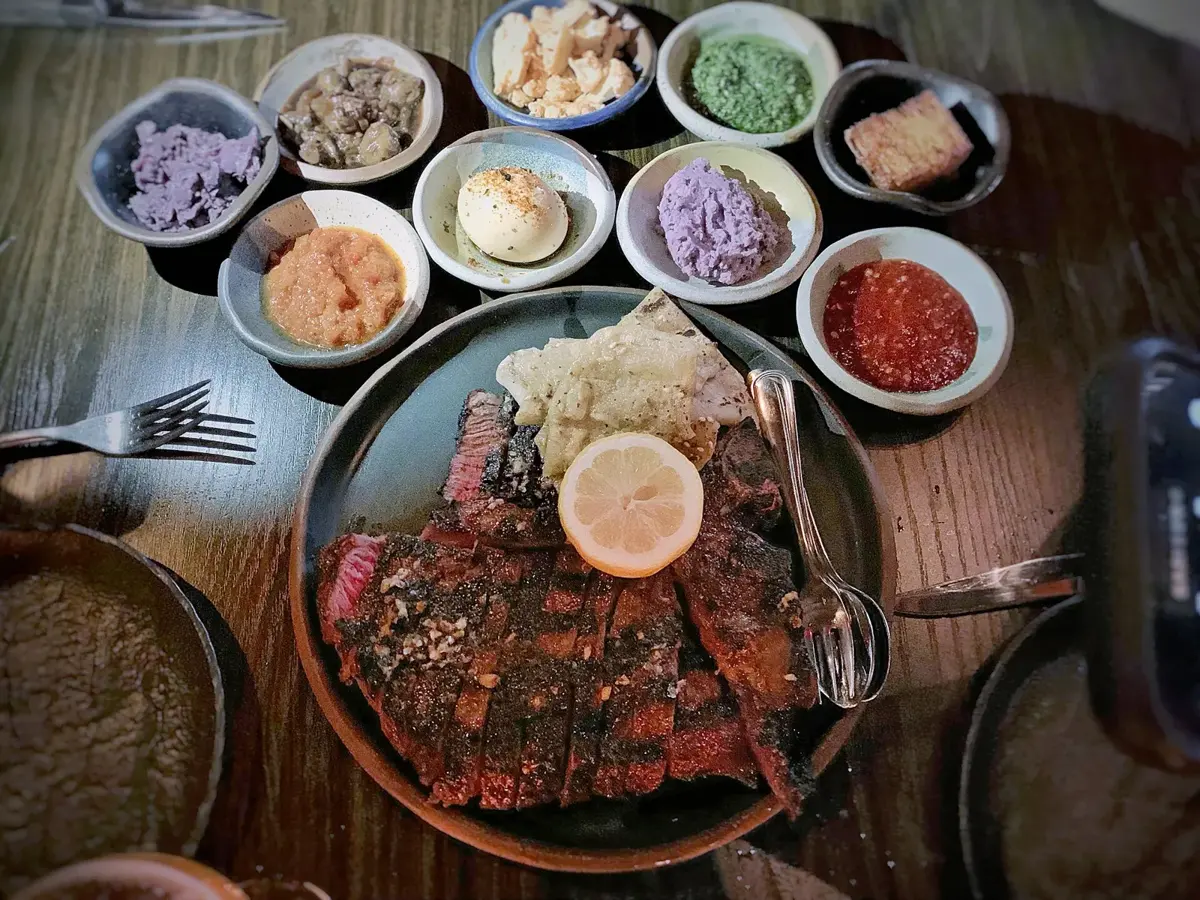
Walk up to a good butcher counter and the options can be overwhelming. Most of the famous steaks come from just a few parts of the animal, and once you know where a cut comes from, you can predict how it'll eat — and how to cook it.
The rib: ribeye
The ribeye comes from the rib primal, the same section that gives you prime rib roasts. It's known for heavy marbling and a central "eye" surrounded by the spinalis, or ribeye cap — widely considered one of the most flavorful, tender pieces on the animal. Ribeyes are forgiving on the grill because their fat keeps them juicy. Bone-in versions include the "cowboy" ribeye and the long-boned "tomahawk," which is mostly about presentation.
The short loin: strip, T-bone, porterhouse
Behind the rib sits the short loin. The New York strip (also called Kansas City strip or top loin) comes from the larger muscle here. It's beefy, with a tighter grain and a strip of fat along one edge. Slightly firmer than a ribeye, with less internal fat.
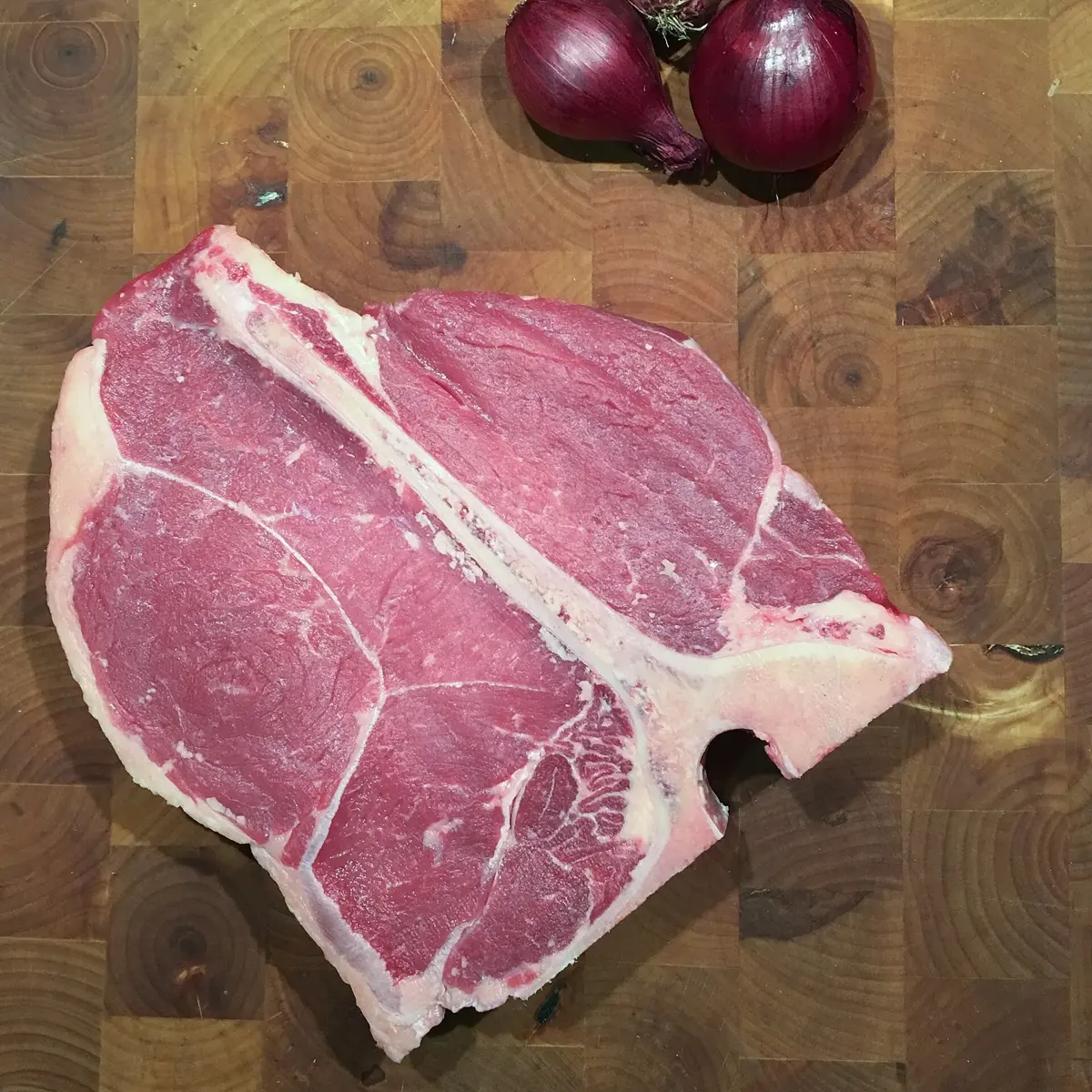
The T-bone and porterhouse are cross-cuts with strip on one side of a T-shaped bone and tenderloin on the other. The difference is size: under USDA's Institutional Meat Purchase Specifications, a porterhouse must have a tenderloin portion at least 1¼ inches wide, while a T-bone's is smaller (at least ½ inch). The two sides cook at different rates, so position the tenderloin away from the hottest part of the fire.
The tenderloin: filet mignon
The tenderloin runs along the spine and does very little work, which makes it the most tender cut — and one of the leanest. Steaks cut from it are called filet mignon. Its flavor is mild, so it pairs well with butter basting, a sauce, or a bacon wrap. Don't cook it past medium; with little fat, it dries out quickly.
The sirloin
Further back, the sirloin yields top sirloin steaks — leaner, good value, and decent tenderness — plus the tri-tip, a triangular roast made famous by Santa Maria, California barbecue, and picanha, the sirloin cap with a thick fat layer that's a star of Brazilian churrascarias.
The value cuts
- Flat iron: from the shoulder (chuck). Popularized after research at the Universities of Nebraska and Florida in the early 2000s identified it as one of the most tender muscles in the chuck. Well marbled and affordable.
- Skirt steak: a long, thin cut from the plate, with coarse grain and big flavor. The classic fajita meat. Cook hot and fast, slice thin against the grain.
- Flank steak: from the belly, leaner than skirt, great marinated and grilled. Slice thin against the grain.
- Hanger steak: one per animal, hanging from the diaphragm; rich and beefy, once called the "butcher's steak."
- Underblade steak: cut from the chuck's underblade; a relatively newer cut with good marbling.
USDA grades
USDA quality grades are based mainly on marbling and the animal's age. Prime has the most marbling and is a small share of graded beef. Choice is the most common grade at good grocery stores and steakhouses. Select is leaner and less forgiving. Grading is voluntary and paid for by the packer, so some beef is sold ungraded or under a brand program.
Dry-aged vs. wet-aged
Most beef is wet-aged in vacuum packaging during shipping. Dry aging hangs beef in a controlled, refrigerated, humid environment for weeks. Moisture evaporates, concentrating flavor, and enzymes tenderize the meat, producing a nutty, funky flavor many people love. It costs more because of time, space, and trim loss.
Buying tips
- Look for fine, even marbling and bright red color.
- For grilling, thicker steaks (1¼ inches and up) are easier to cook well; see the reverse sear.
- Ask your butcher for recommendations — a good one will tell you what's best that day.
Grilling gear we'd recommend (placeholder)
Placeholder — not live affiliate links
- [Instant-read thermometer — retailer placeholder]
- [Kamado / pellet grill — retailer placeholder]
- [Butcher paper & knives — retailer placeholder]
- [Steak delivery service — placeholder]
Affiliate disclosure: Red Meat & Cigar Club may earn a commission from some links on this site at no extra cost to you. Learn more.