
Fast Planes · Red Meat & Cigar Club editorial
Flying at Density Altitude
Why hot summers at altitude matter to pilots.
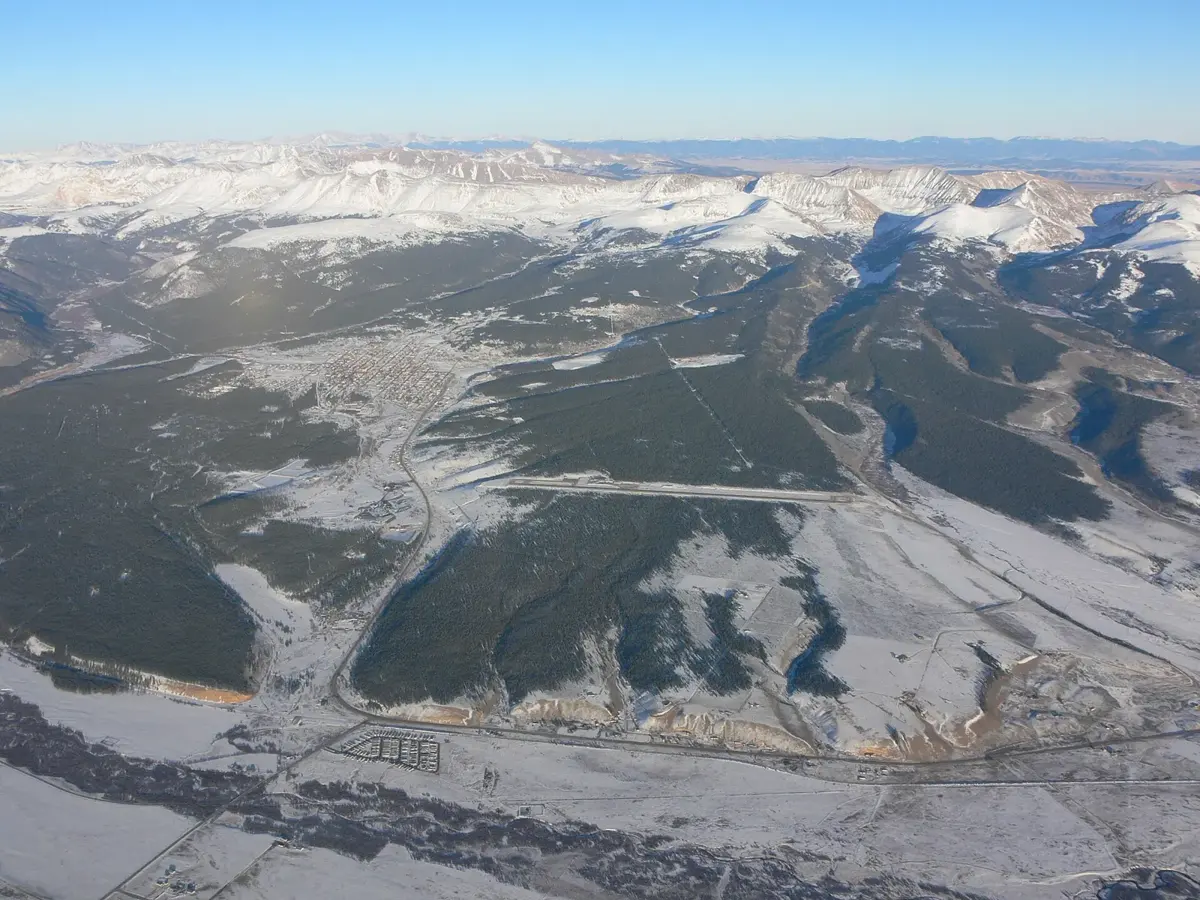
Colorado pilots learn a term flatland pilots may only read about: density altitude. On a hot summer afternoon at a high-elevation airport, an airplane can perform as if it's thousands of feet higher than the field elevation. Understanding why is a matter of safety.
What density altitude is
Air gets thinner as you climb, and it also gets thinner as it warms and as humidity rises. Density altitude is the altitude in the standard atmosphere at which the air would have the same density as the actual air around you. It's the altitude the airplane "feels." Because airplane performance depends on air density, density altitude — not field elevation — determines how the airplane will behave.
Example (illustrative): an airport at 5,400 feet on a 90°F day might have a density altitude around 8,500 feet or higher. At a mountain airport near 9,900 feet, a warm summer afternoon can push density altitude well above 12,000 feet.
Why it matters
Thin air hurts three things at once:
- Engine power: normally aspirated piston engines produce less power because there's less oxygen per breath.
- Propeller efficiency: the propeller has less air to "bite."
- Lift: wings need more true airspeed to generate the same lift, so takeoff and landing ground speeds increase.
The result: longer takeoff rolls, much weaker climb rates, and longer landing distances. An airplane that climbs briskly at sea level may struggle to clear terrain or obstacles in hot, high conditions.
Colorado's high airports
The state's main international airport sits at about 5,434 feet. Aspen–Pitkin County Airport is about 7,820 feet. Lake County Airport in Leadville, at about 9,934 feet, is often described as the highest public-use airport in North America. Telluride Regional Airport sits at about 9,080 feet on a mesa with steep drop-offs. Each demands careful planning.
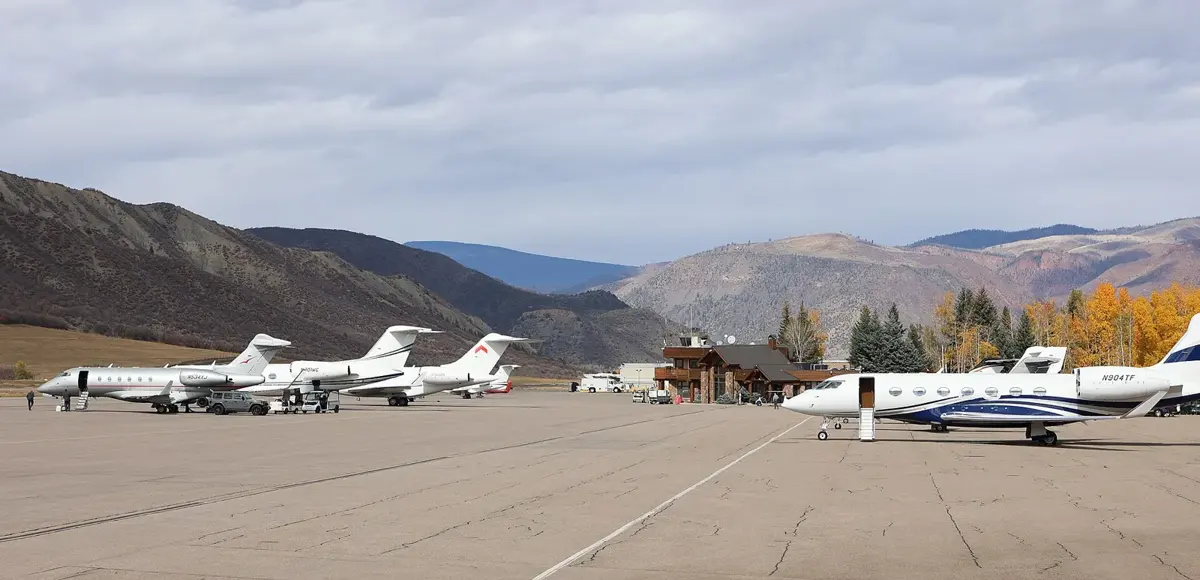
How pilots manage it
- Calculate it. Use the aircraft's performance charts with actual temperature, pressure, and weight. Many apps and E6B computers calculate density altitude.
- Fly early. Mornings are cooler, with better performance and calmer winds. Afternoon thunderstorms are common in Colorado summers.
- Reduce weight. Fewer passengers, less baggage, or less fuel (with appropriate reserves) improve performance.
- Lean the mixture. Pilots of piston aircraft lean the fuel mixture for best power at high-density-altitude airports, following the manufacturer's procedures.
- Add margins. Many instructors teach adding generous safety margins to book takeoff distances and setting abort points on the runway.
Mountain flying
Beyond density altitude, mountain flying involves strong winds, mountain wave, downdrafts on the lee side of ridges, rapidly changing weather, and limited emergency landing options. Common recommendations include crossing ridges at an angle with plenty of altitude, avoiding flight in strong winds aloft, and planning escape routes. The Colorado Pilots Association runs a well-known mountain flying program, and many Colorado flight schools offer mountain checkouts. The FAA publishes guidance on density altitude and mountain flying as well.
Not just airplanes
Density altitude affects helicopters too, and it matters to cars: naturally aspirated engines make less power at altitude, which is why turbocharged engines are popular in the mountains. Even baseballs carry farther in thin air.
The takeaway
Hot, high, and heavy is the dangerous combination. If you're learning to fly in Colorado, the altitude makes you a better pilot — as long as you respect it. See our guide to starting flying lessons.
Pilot gear (placeholder)
Placeholder — not live affiliate links
- [Aviation headset — placeholder]
- [Flight bag & kneeboard — placeholder]
- [Ground school course — placeholder]
Affiliate disclosure: Red Meat & Cigar Club may earn a commission from some links on this site at no extra cost to you. Learn more.