Fast Planes · Red Meat & Cigar Club editorial
How to Start Flying Lessons
Discovery flight to private pilot certificate.
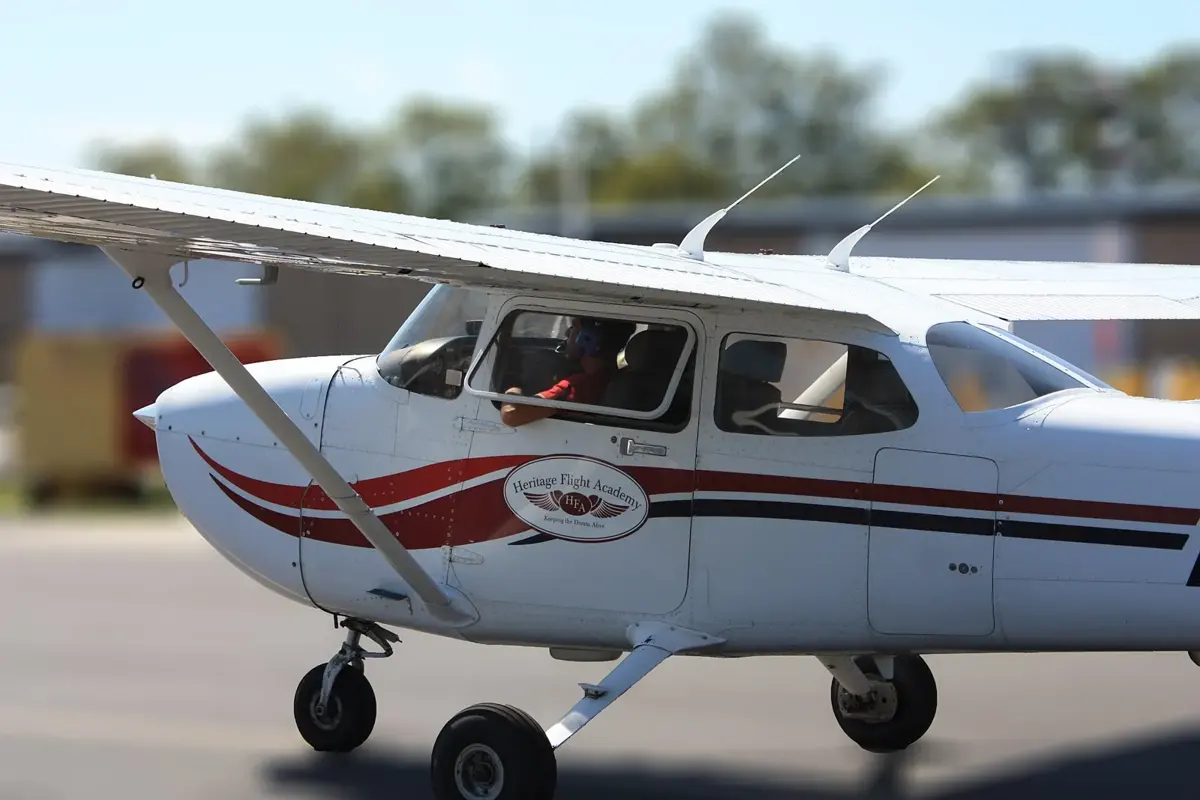
Most pilots will tell you the same thing: they wish they'd started sooner. Earning a private pilot certificate is a serious commitment of time and money, but it's more achievable than many people think. Here's how the process works in the United States.
Step 1: the discovery flight
Nearly every flight school offers a discovery flight, an introductory lesson where an instructor takes you up and lets you handle the controls. It's the best way to find out if you love it and to get a feel for a school before committing.
Step 2: choose a school and instructor
Flight training happens under two sets of FAA regulations: Part 61, which is more flexible and common at smaller schools and with independent instructors, and Part 141, which uses FAA-approved structured syllabi and is common at larger academies and universities. Both lead to the same certificate. Visit schools, ask about aircraft availability, instructor turnover, maintenance, and realistic total costs.
Step 3: medical certificate
You'll need an FAA medical certificate from an Aviation Medical Examiner (AME) — a third-class medical is enough for a private pilot. Get it early; if any medical issue requires extra review, you'll want to know before investing heavily. The BasicMed program offers an alternative for some pilots after they've held a medical certificate, with limitations.
Step 4: student pilot certificate
You apply for a student pilot certificate through the FAA's IACRA system, usually with your instructor's help. It's required before you fly solo.
Step 5: ground school and the knowledge test
You'll study aerodynamics, regulations, weather, navigation, airspace, aircraft systems, and flight planning. Options include classroom ground school, online courses, and self-study with an instructor's endorsement. You'll take the FAA's private pilot airman knowledge test, a multiple-choice exam at an approved testing center.
Step 6: flight training
Lessons cover takeoffs and landings, maneuvers, stalls, emergency procedures, navigation, radio communication, and night flying. Under Part 61, the FAA requires a minimum of 40 hours of flight time for a private pilot certificate (airplane, single-engine), including at least 20 hours with an instructor and 10 hours solo, with specific requirements for cross-country flying, night flying, and instrument training. Part 141 programs can have lower minimums. In practice, many students take well over the minimum; national averages are commonly cited at 60 to 75 hours.
Step 7: first solo
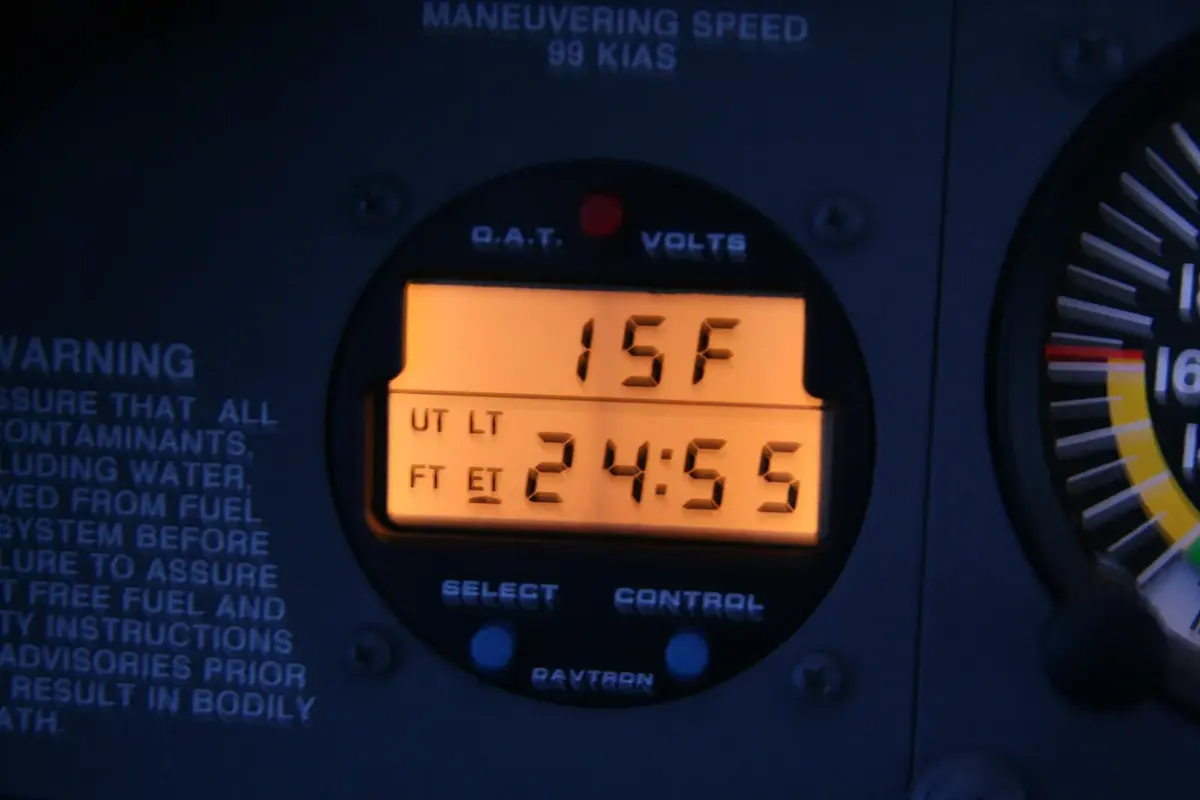
When your instructor decides you're ready, you'll fly the airplane alone for the first time — usually a few takeoffs and landings in the traffic pattern. It's a milestone pilots remember for life.
Step 8: the checkride
The final step is a practical test with an FAA Designated Pilot Examiner: an oral exam followed by a flight. Pass, and you're a private pilot, allowed to carry passengers (but not for compensation) under visual flight rules.
Cost and time
Costs vary widely by region, aircraft, and how often you fly. Flying consistently — two or three lessons a week — usually means fewer total hours because you retain more between lessons. Ask schools for itemized estimates and plan for more than the minimum hours. Aircraft rental, instructor time, the medical, test fees, examiner fees, and materials all add up.
Other paths
- Sport pilot certificate: a lighter-weight option for flying light-sport aircraft, with lower minimum hours and different medical requirements.
- Recreational pilot certificate: rarely used, more limited.
- Glider and helicopter certificates have their own paths.
Flying in Colorado
Colorado is a beautiful place to fly, but altitude and mountain weather add challenges. Read our guide to density altitude, and plan on mountain flying training before venturing into the high country.
Pilot gear (placeholder)
Placeholder — not live affiliate links
- [Aviation headset — placeholder]
- [Flight bag & kneeboard — placeholder]
- [Ground school course — placeholder]
Affiliate disclosure: Red Meat & Cigar Club may earn a commission from some links on this site at no extra cost to you. Learn more.